Colonial charm or Contemporary light and openness? If you are shopping or preparing to sell in Wellesley, this choice comes up often. You want the right fit for your lifestyle, renovation plans, commute, and long-term value. This guide breaks down the differences in features, floor plans, renovations, and resale so you can move forward with clarity. Let’s dive in.
Quick snapshot: two classic choices
What defines a Colonial
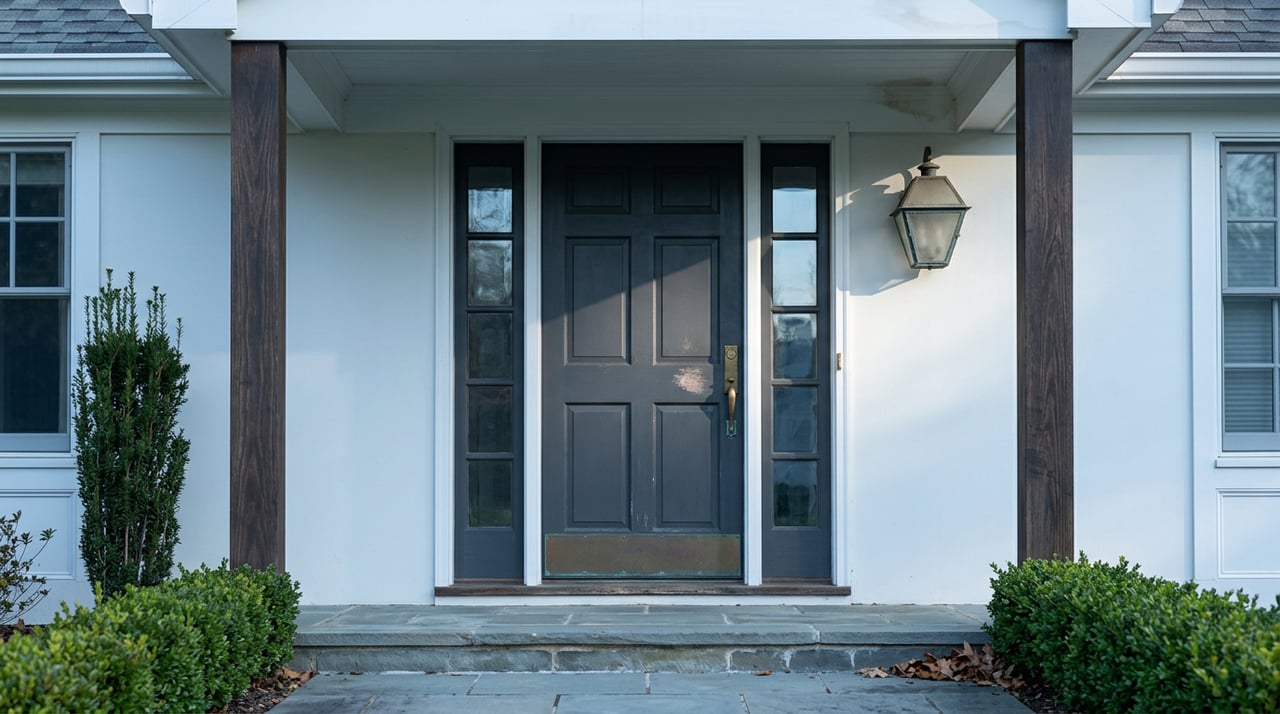
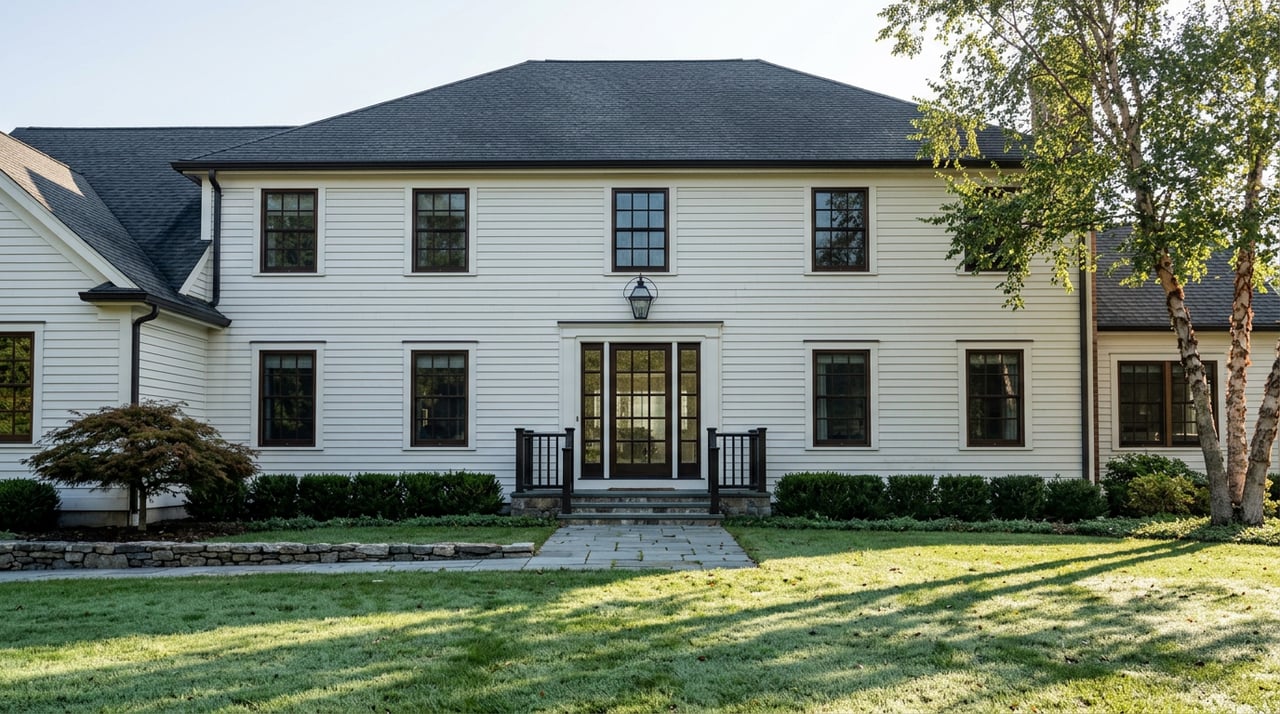
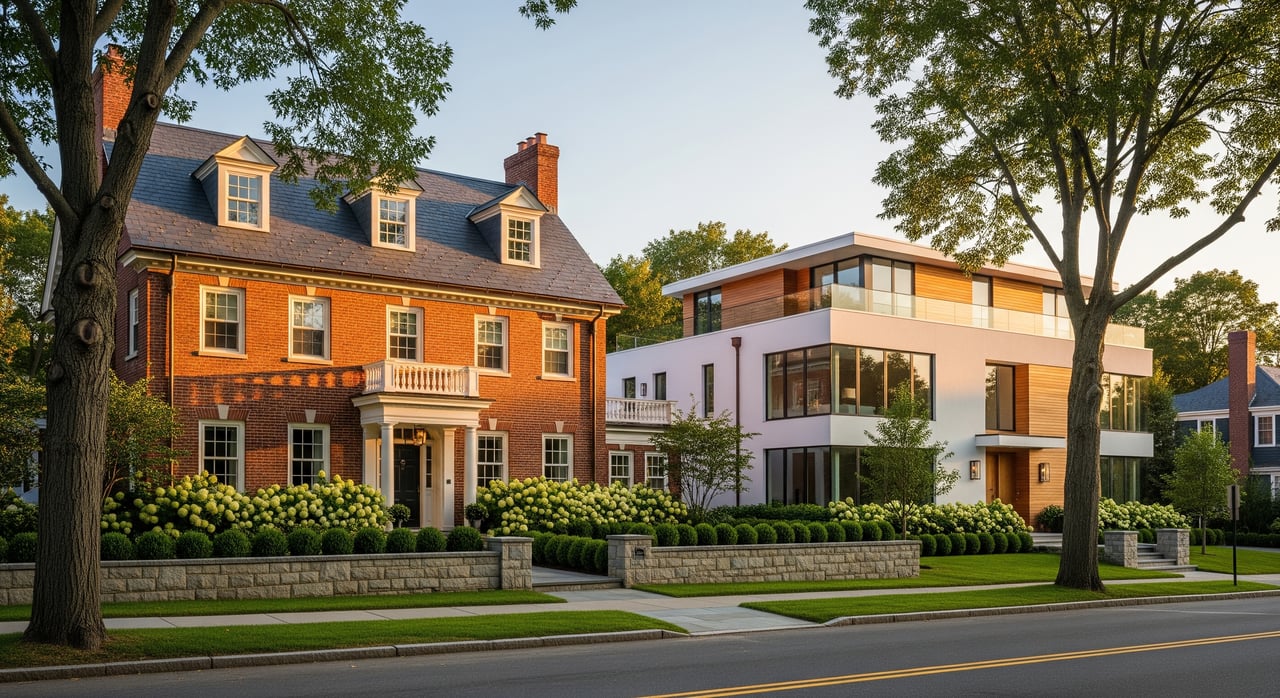
Colonial homes in Wellesley tend to feature a symmetrical façade, centered front door, double-hung multi-pane windows, and gabled roofs. Inside, you usually find a center hall with formal living and dining rooms, a separate kitchen toward the rear, and bedrooms upstairs. Many are 20th-century Colonial Revival builds, while some are older with preservation-sensitive details. You will also see finished or unfinished basements and attics that can add flexible space.
What defines a Contemporary
Contemporary homes favor asymmetry, larger glass areas, and a strong connection to the outdoors. Expect open living, kitchen, and dining spaces with vaulted ceilings, picture windows, and sliding doors. Roofs may be flat, low-pitched, or multi-level, and post-and-beam construction is common in mid-century examples. Floor plans often place bedrooms along a wing, with the main living core oriented to views or a terrace.
Floor plan and daily flow
Colonial flow and lifestyle
Colonials follow a more formal room-to-room sequence. You enter a center hall, move into a living room or den and a formal dining room, with the kitchen typically set at the rear. Many families rework this rear zone to create a kitchen and family room that flow to the backyard. If you prefer defined spaces, classic trim details, and a traditional look, a Colonial can be a great match.
Contemporary flow and lifestyle
Contemporary layouts lean open and flexible. The central living area usually blends with the kitchen and dining space, creating long sight-lines and strong natural light. Bedrooms often run along one side or level, and large windows connect you to patios, decks, and gardens. If you host casual gatherings, want single-level living or expansive glass, a Contemporary layout can feel effortless.
Renovation potential in Wellesley
Colonial updates that work
- Open the rear of the house to form a kitchen–family great room while keeping the front formal spaces.
- Add a mudroom or pantry for function and daily organization.
- Finish attics or basements to add living areas or bedrooms.
- Update mechanicals, insulation, and windows to boost comfort and efficiency.
Load-bearing walls in Colonials often run along the central axis, so removing them for larger openings may require beams and engineering. Dormers are a common way to add space and light to upper levels. If the home is older or in a local historic district, plan exterior changes with sensitivity to original details.
Contemporary updates that work
- Refresh kitchens and baths with lighter finishes while preserving the open feel.
- Replace older single-pane windows with energy-efficient units that maintain the large-glass look.
- Address flat or low-slope roof details with proper insulation and flashing.
- Improve exterior weatherproofing and drainage for longevity.
Post-and-beam structures can make interior reconfigurations simpler, but complex roof geometries may limit vertical additions. Keep the hallmark features intact: daylight, sight-lines, and indoor-outdoor flow.
Costs, timing, and permits in Wellesley
Greater Boston construction costs run above the national average, and established towns often have longer permitting timelines. In Wellesley, zoning governs setbacks, lot coverage, and height, and some neighborhoods have larger lot requirements. The town also maintains local historic districts and designated landmarks, which can require design reviews for exterior changes. Build time into your schedule for permitting and contractor lead times. Minor cosmetic updates may take weeks, kitchens and baths often take months from design to finish, and major additions typically require many months plus permits.
Energy and systems that buyers value
New England seasons make efficiency upgrades meaningful. Buyers respond well to improvements that reduce drafts, stabilize temperatures, and cut utility costs. High-impact upgrades include:
- Replacing older windows with efficient units suited to the home’s style.
- Improving insulation and air sealing, especially in attics and roof assemblies.
- Updating electrical panels, plumbing, and HVAC systems.
In Contemporaries, prioritize improved glazing and insulated frames to maintain the bright feel while increasing performance. In Colonials, balance preservation of historic windows or trim with sensible efficiency gains.
Resale and buyer preferences in Wellesley
There is no universal winner between Colonial and Contemporary. Outcomes depend on neighborhood context, lot size and privacy, proximity to town centers and commuter rail, and the home’s condition. Updated Colonials often align with local expectations and can command premiums when they combine character with modern function. Well-executed Contemporaries that feel open, bright, and connected to the lot also attract strong interest from buyers who prefer a modern lifestyle.
Presentation matters. An outdated example of either style can underperform. Focus on functional updates, thoughtful staging, and curb appeal to shorten days on market and support pricing.
Who each style suits
- Families with school-age children: Updated Colonials with a rear great room and practical mudroom work well. Contemporaries with flexible living areas and sight-lines can also fit family life.
- Downsizers: Single-level Contemporary homes or Colonials with a main-floor suite are convenient and flexible.
- Renovators: Colonials with reconfigurable rear zones or Contemporaries with open bones invite customization.
How to decide: a simple checklist
- Clarify must-haves. List non-negotiables like bedroom count, bath count, single-floor living, or home office needs.
- Evaluate the bones. Check roof, foundation, windows, and mechanicals to gauge near-term costs.
- Map daily flow. Walk the path from entry to kitchen to backyard. Picture busy mornings and weekend gatherings.
- Weigh renovation scope. Compare opening a Colonial’s rear zone vs. upgrading a Contemporary’s glazing and roof. Factor engineering needs.
- Confirm permitting. Identify possible zoning relief and any historic district review for exterior changes.
- Align with location goals. Consider access to Wellesley’s town centers, commuter rail stations, and main corridors like Route 9 and I-95/Route 128.
- Set a realistic budget and timeline. Expect higher-than-average local costs and longer lead times for design and permits.
Selling strategy that resonates locally
Positioning a Colonial listing
- Highlight character. Showcase period moldings, mantels, and symmetrical curb appeal.
- Prove function. Stage the kitchen–family connection and show a logical path to the backyard.
- Refresh wisely. Modest kitchen and bath updates, tasteful paint, lighting, and hardware can offer strong returns.
- Document improvements. Provide clear notes on mechanical updates, insulation, and window replacements.
Positioning a Contemporary listing
- Lead with light. Draw attention to natural light, sight-lines, and indoor-outdoor living.
- Modernize finishes. Update darker paneling or dated surfaces so spaces feel fresh and bright.
- Address efficiency. Note upgraded glazing, roof insulation, and weatherproofing.
- Landscape cleanly. Simple, tidy plantings and pathways complement the architecture.
If you plan pre-market improvements, targeted projects can have outsized impact. Kitchen refreshes, main bath updates, efficient windows, and a functional mudroom or laundry often resonate most with local buyers. In many cases, modest, well-executed updates perform better than high-cost overhauls that outpace the neighborhood.
Local renovation and permitting tips
- Start early with the town. Confirm whether your property sits in a local historic district or near conservation areas that affect exterior work.
- Assemble the right team. Select contractors experienced with New England weatherproofing, older-house systems, and the town’s permitting process.
- Plan for seasonality. Schedule exterior work around weather, and consider supply chain lead times for windows, roofing, and mechanicals.
The bottom line
Choose the style that best supports your daily life, renovation tolerance, and location goals. A well-presented home with strong function and thoughtful updates tends to outperform, whether it is a classic Colonial or a light-filled Contemporary. When you balance character, comfort, efficiency, and curb appeal, you position your home to compete well in Wellesley’s mature market.
Ready to compare options or prepare your home for market with a clear plan? The Donahue Maley & Burns Team pairs deep local expertise with concierge-level guidance on staging, pre-market improvements, and pricing strategy. Reach out to the Donahue Maley & Burns Team to start a personalized plan.
FAQs
What are the key differences between Colonial and Contemporary homes in Wellesley?
- Colonials offer symmetrical exteriors, defined rooms, and traditional layouts, while Contemporaries favor open plans, larger glass, and strong indoor-outdoor connection.
Are renovations harder in Wellesley due to historic districts?
- Some properties fall within local historic districts or are designated landmarks, which can require design review for exterior changes, so confirm status early in planning.
Do Contemporary homes have energy challenges with big windows?
- Older single-pane glass can be inefficient, but upgraded glazing, insulated frames, and air sealing can preserve the bright feel while improving comfort and performance.
Which style tends to sell faster in Wellesley?
- It depends on location, lot, condition, and how well the home meets buyer priorities like function, updates, and commute access rather than style alone.
What upgrades deliver the strongest resale impact locally?
- Targeted kitchen and primary bath updates, energy-efficient windows, improved insulation, and functional spaces like mudrooms often make the biggest difference.
How long do common renovations take in Wellesley?
- Cosmetic refreshes can take weeks, kitchen and bath remodels often take months, and additions or major structural changes can require many months plus permitting time.