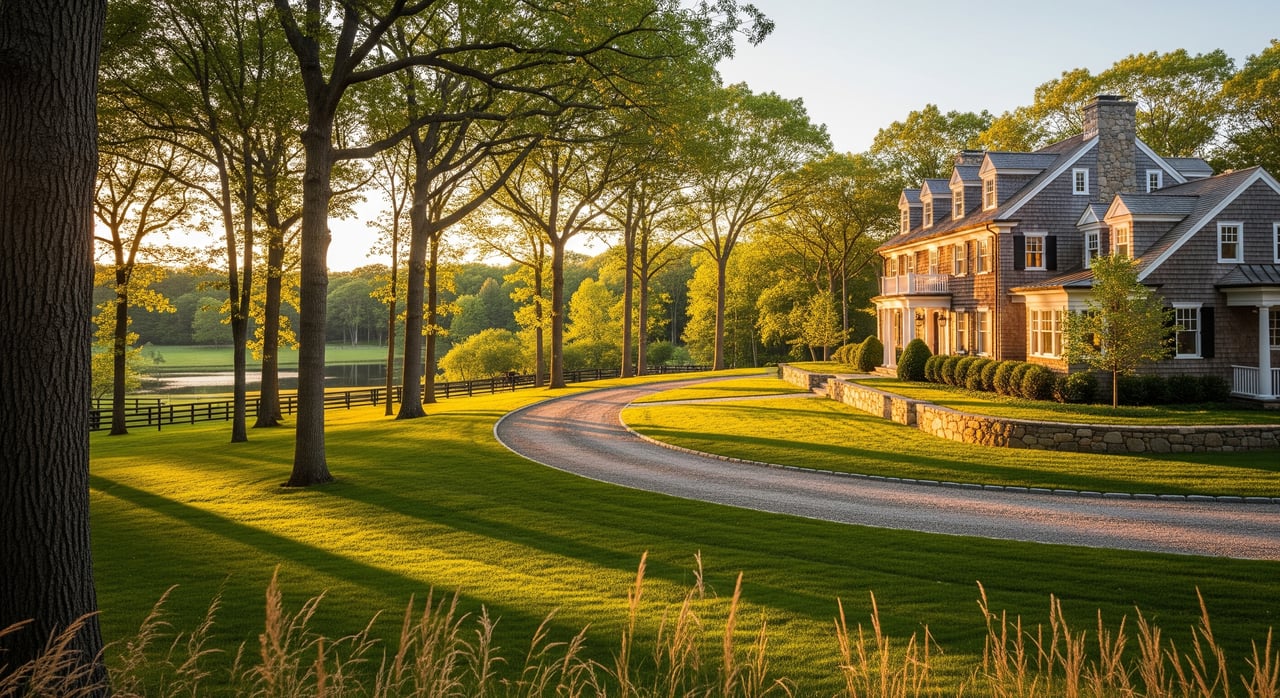
Looking for more space, privacy, and a calm daily rhythm without losing access to Boston? If you picture tree‑lined roads, generous backyards, and weekends on wooded trails, Weston may fit your lifestyle. You want strong schools, a community focus, and an easy home base for commuting. This guide walks you through what it feels like to live in Weston so you can decide if the trade‑offs match your priorities. Let’s dive in.
Weston at a glance
Weston is a low‑density, residential suburb west of Boston. Streets are wooded and quiet, and lots are large compared with many Greater Boston towns. The town center has a small, village feel where local institutions and community events do most of the heavy lifting, rather than a busy restaurant scene.
You will not find a big retail core in town. Most residents drive to neighboring Wellesley, Newton, or Waltham for broader shopping, dining, groceries, and medical services. Life here leans suburban and family‑oriented, with a lot of day‑to‑day activity centered on school schedules, youth sports, and town recreation.
From a market standpoint, Weston is known for single‑family homes on substantial lots and a limited inventory. Zoning favors low density, which helps preserve the town’s character but also means fewer new subdivisions. Buyers are typically drawn by privacy, space, and well‑regarded public schools within commuting distance to Boston. The result is a competitive environment for desirable listings and higher overall purchase and carrying costs than many nearby suburbs.
Neighborhoods and housing styles
Weston’s lifestyle varies by area. Wherever you land, expect a quiet setting, mature trees, and a strong connection to conservation land.
Town Center and south
If you want easy access to the library, town offices, and community events, look close to the village core or just south. Homes here are often older, and you may find a modest level of walkability for school drop‑offs or errands connected to town functions. It suits you if you prefer being near civic life rather than deeper in the woods.
Kendal Green, north and east
The north and east sections around the commuter‑rail stations, including Kendal Green, tend to appeal to train commuters. You will see a mix of cottage‑style homes, mid‑century properties, and larger houses. The rail option adds flexibility, though schedules are more limited than subway service.
South and west
If privacy, acreage, and a more rural feel are your must‑haves, look toward the south and west. Here you will find larger lots, estate properties, and extensive tree cover. It is a peaceful setting with abundant access to trails and conservation land.
Near the perimeter
Border areas near Waltham, Newton, and Wellesley are practical if you rely on shopping, dining, or medical providers in those towns. You keep Weston’s quiet pace while staying convenient to services.
Architectural mix and lot patterns
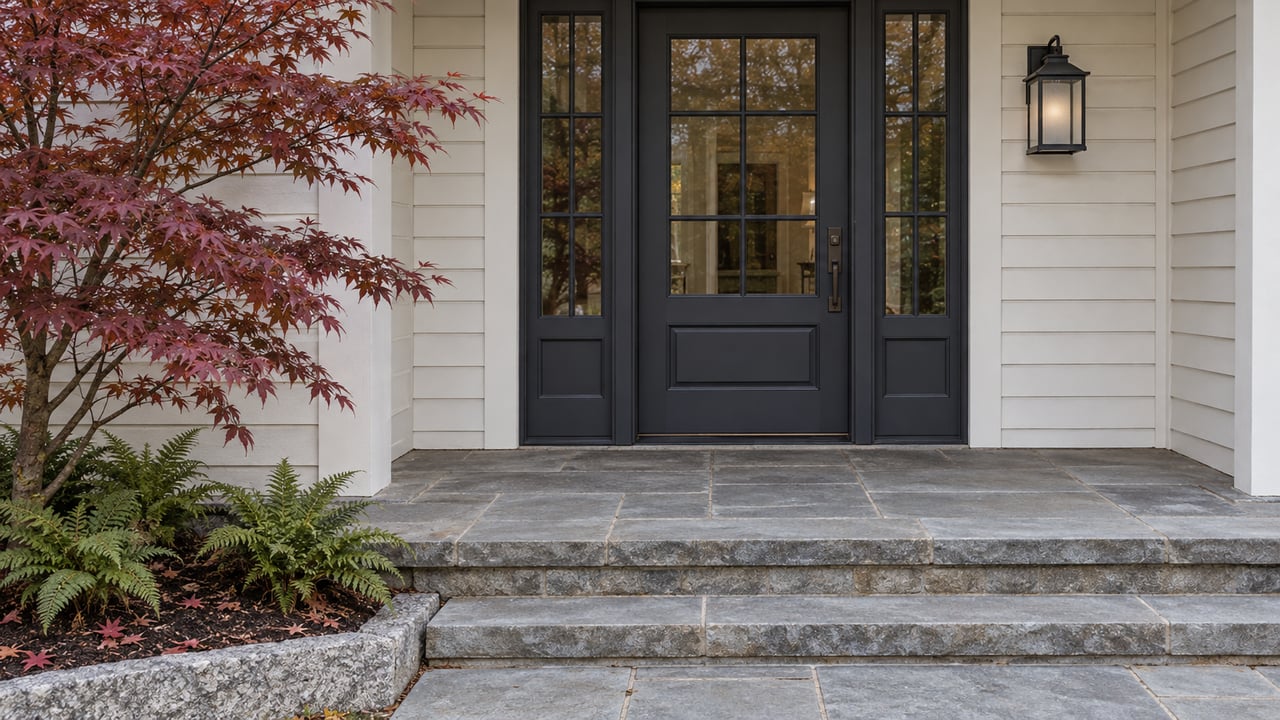
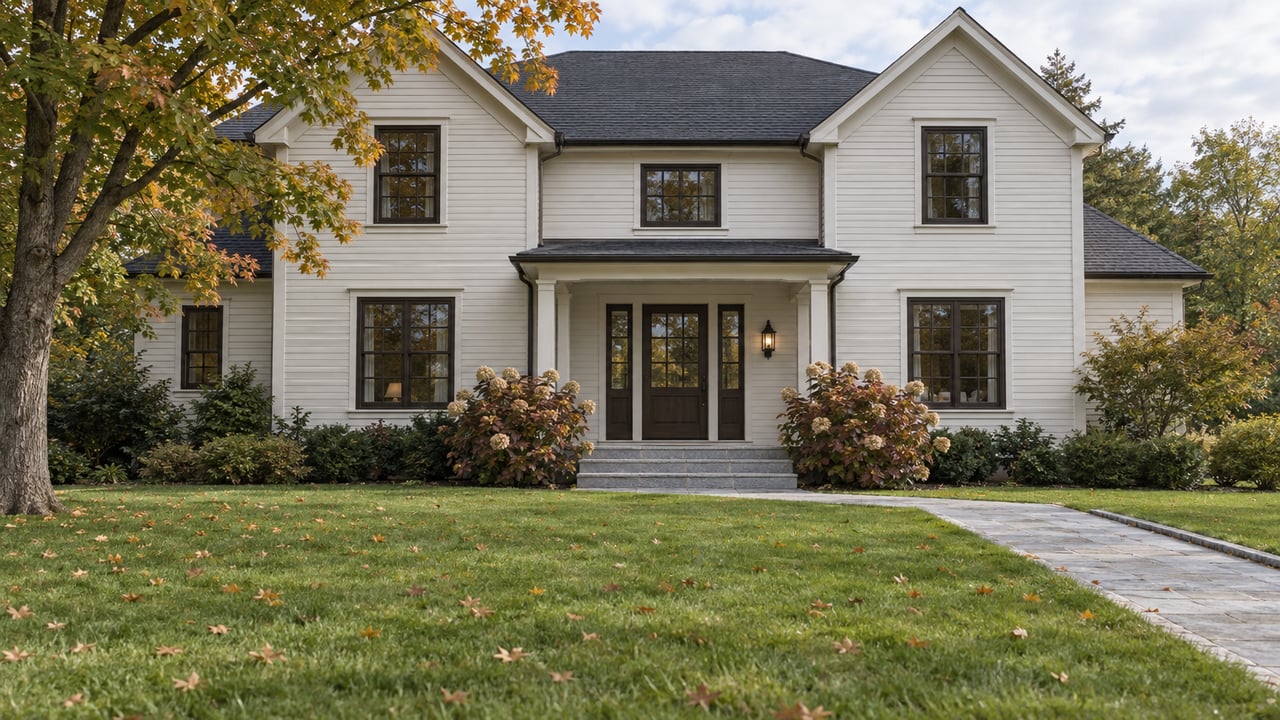
Most of Weston is single‑family detached homes. You will find historic farmhouses, early‑20th‑century colonials, mid‑century designs, and substantial modern renovations or new builds on larger parcels. Rental and condo options are limited. If you are a renter or first‑time buyer, expect fewer choices than in more urban suburbs.
Lifestyle trade‑offs
- You gain privacy, larger yards, and a calm neighborhood feel.
- You trade a lively downtown for a village center and car trips to nearby towns for many errands.
- You get convenient highway and commuter‑rail access, but not frequent in‑town transit.
Schools and family life
Weston Public Schools are a central draw for many families. The district is widely regarded as high‑performing, with strong academic outcomes, robust extracurriculars across arts, music, and athletics, and a smaller district scale that often translates to closer community engagement. If you have specific program questions, it is smart to contact the district directly for current services and staffing.
Private and parochial options are available in Weston and in nearby communities. Many families also use early childhood programs both in town and next door, though availability and waitlists can be a factor in desirable suburbs.
Beyond the school day, you will find strong town support for youth sports, enrichment, and seasonal recreation. Trails and conservation land underpin nature programs and outdoor education. The public library is a true community hub with programming for families and adults.
Getting around and commute
Driving
Weston is well‑positioned for drivers, with quick access to regional highways that connect to Boston and the I‑95/Route 128 beltway. Proximity to the Massachusetts Turnpike via neighboring communities adds another route choice. Off‑peak drives can be straightforward. During rush hour, driving times increase significantly, so timing matters.
Commuter rail and transit
Weston is served by the MBTA Framingham/Worcester Line with in‑town stations, including Weston and Kendal Green, that provide direct service to Boston’s South Station. Schedules and frequency are more limited than subway service, but many commuters use the rail for a predictable routine.
There is no in‑town subway service. Residents often combine driving with commuter rail or connect to MBTA hubs in neighboring cities. Local transit options are limited, so most households rely on personal vehicles for daily errands.
Walkability and biking
Walkability is best near the village center and around schools. The town’s low‑density layout and larger lots mean many errands are not practical on foot. Biking is popular for recreation on quiet roads and trail segments, but it is not a common long‑distance commuting option to Boston.
Outdoor spaces and amenities
If you love the outdoors, Weston’s extensive conservation land is a standout. The town supports protected open space, forests, and trails used for hiking, birding, and cross‑country skiing in winter. Portions of the Charles River and local ponds add to the landscape, with conservation protections and passive recreation.
Recreation programming runs year‑round for kids and adults, from youth sports and camps to adult education and community events. The small town center offers municipal buildings, a few local shops and eateries, and the library. For broader shopping, specialty groceries, and restaurants, most residents head to nearby Wellesley, Newton, or Waltham. Public safety services are in town, while major hospitals and specialized care are close by in neighboring communities and Boston.
Daily rhythm: what to expect
A typical weekday might include a school drop‑off, a commute by car or rail, and after‑school activities through the recreation department or school‑based programs. Weekend plans often revolve around trail walks, youth games, and get‑togethers with neighbors. You will likely plan weekly errands as a short drive to bordering towns.
Weston fits you if you value a serene home setting, strong civic institutions, and time outdoors. It may be less ideal if you want frequent transit at your doorstep, a dense downtown, or a lower‑cost entry point.
Practical notes for buyers and sellers
Taxes and utilities
Property taxes reflect high home values, and it is wise to compare rates and total carrying costs with nearby towns. Many properties are on town water. Sewer coverage varies, and some homes use septic systems. Verify utility details early in your process.
Zoning, permits, and preservation
Zoning prioritizes single‑family use and larger minimum lots, which limits new housing supply and helps maintain the community’s low‑density character. Historic preservation and conservation restrictions can affect renovations or new construction. If you plan updates, confirm permit requirements and any easements in advance.
Market dynamics
Inventory is limited and demand is steady, especially for homes near schools and commuter‑rail stations. Buyers should be prepared to act when the right property appears. Sellers can expect interest from families and high‑income buyers. Staging that highlights outdoor space, flexible home office areas, and finished lower levels often resonates.
How to explore Weston
- Visit at different times of day to understand traffic patterns and the feel around schools, fields, and the village center.
- Test the commute by taking the commuter rail from an in‑town station to South Station and back on a weekday.
- Walk a conservation trail loop to gauge your proximity to open space.
- Talk with the school district about programs that matter to your family.
- Map your weekly errands and identify which neighboring town hubs fit your routine.
Ready to pinpoint the right Weston neighborhood for your lifestyle and budget? Connect with the Donahue Maley & Burns Team for a calm, concierge‑level process from tour to close.
FAQs
Is Weston a good place to raise kids?
- Yes, if you value strong public schools, abundant outdoor space, and a quiet suburban environment with active community programs.
How is the commute to Boston from Weston?
- Drivers have quick highway access and commuter‑rail stations provide direct service to South Station, though peak‑hour traffic and rail schedules require planning.
What home types are common in Weston?
- Predominantly single‑family homes on large lots, ranging from historic farmhouses and colonials to mid‑century and modern renovations.
Are there many shops and restaurants in town?
- In‑town options are limited; most residents drive to Wellesley, Newton, or Waltham for broader shopping, dining, groceries, and services.
How walkable is Weston for daily errands?
- The village center and areas near schools are walkable, but the town’s low‑density layout makes many errands car‑dependent.
What recreation and outdoor options are available?
- Extensive conservation land and trails support hiking, birding, and winter activities, plus robust town recreation programs for all ages.
Do Weston homes have town sewer or septic systems?
- Many homes have town water, while sewer coverage varies; some properties use septic systems, so verify utilities for each address.
What should sellers highlight when listing a Weston home?
- Showcase outdoor space, flexible home office areas, and finished lower levels, and prepare for interest from families and relocating buyers.