What draws people to Wellesley? For many, it is the calm, village feel paired with quick access to Boston, strong public resources, and a day-to-day rhythm that puts schools, parks, and community first. If you are weighing a move, you likely want more than glossy photos. You want to know how it feels to live here and what trade-offs to expect. In this guide, you will get a clear picture of neighborhoods, commuting, schools, outdoor spaces, housing character, and everyday life so you can decide if Wellesley fits your goals. Let’s dive in.
Wellesley at a glance
Wellesley sits about 12 to 15 miles west of Boston in Norfolk County. It is a suburban town with three walkable village centers, extensive residential neighborhoods, and two colleges that add cultural depth. The community is known for active civic life, youth activities, and a comfortable small-town pace. You will find everyday conveniences in town and broader shopping and dining minutes away in nearby communities.
Neighborhoods and village centers
Wellesley Square
Wellesley Square is the town’s main hub with independent boutiques, cafés, restaurants, banks, and the main public library branch. It is lively on weekdays and weekend mornings, with short-term meters and small-lot parking. The MBTA commuter rail stops here, which adds to the weekday rhythm and convenience.
Wellesley Hills
Wellesley Hills blends residential streets with shops, services, and casual dining. It tends to feel a bit quieter than the Square, and it also offers a commuter rail stop. Families often come here for day-to-day errands and quick meals.
Wellesley Farms
Wellesley Farms has a more tucked-away, residential feel with leafy streets and larger lots. The village’s commuter rail stop offers another convenient option for Boston-bound riders. Many side streets here feel serene, especially outside peak commuting hours.
Residential feel and walkability
Village blocks are pedestrian friendly, and you can stroll for coffee, a workout class, or an errand. Most residential streets are suburban in scale, and some side streets have limited sidewalks. For many errands outside the centers, you will likely drive and park, which is typical of Boston’s close-in suburbs.
Schools and learning
Families often move to Wellesley for its public schools. The district is widely recognized for strong outcomes and active arts, athletics, and extracurriculars. For current performance data and profiles, review the Wellesley Public Schools website and the Massachusetts DESE district profiles.
Private and independent options
You will find several private and independent schools in and near Wellesley, including day and boarding options such as Dana Hall School. These give families additional pathways depending on learning preferences and schedules.
College influence and culture
Two colleges call Wellesley home and enrich local life. Wellesley College and Babson College host public lectures, performances, exhibits, and seasonal events that residents enjoy. The academic calendar can shape local traffic patterns and programming, and the colleges are significant local employers.
Commuting and getting around
Rail to Boston
The MBTA Framingham/Worcester Line serves Wellesley at three stations: Wellesley Farms, Wellesley Hills, and Wellesley Square. Service runs to Back Bay and South Station, with travel times that vary by local and express trains. Check the current MBTA Framingham/Worcester schedule before you plan your commute.
Roads and driving
Route 9 provides an east-west route into Boston and to nearby towns, and I-95/Route 128 is just north of Wellesley for regional access. Off-peak drives can be straightforward, but expect congestion on Route 9 and 128 during rush hours. Many residents use a hybrid routine that mixes driving with commuter rail depending on schedule.
Parking and local logistics
Commuter-rail lots can fill early on busy weekdays, and there are municipal parking rules near stations and downtown. For the latest guidance on permits and meters, refer to the Town of Wellesley.
Parks, recreation, and weekends
Elm Bank and Morses Pond
The Elm Bank Reservation, home to the Massachusetts Horticultural Society, offers public gardens, walking areas, and seasonal programming that draw locals and visitors. Explore events and gardens through the Massachusetts Horticultural Society. In summer, Morses Pond is a favorite for swimming and relaxed afternoons.
Trails, fields, and college greens
You will find a network of conservation lands and trails for walking and running, along with town athletic fields and youth programs. Wellesley College and Babson College add scenic open spaces and cultural venues that host exhibits, talks, and performances open to the community.
Housing character and market feel
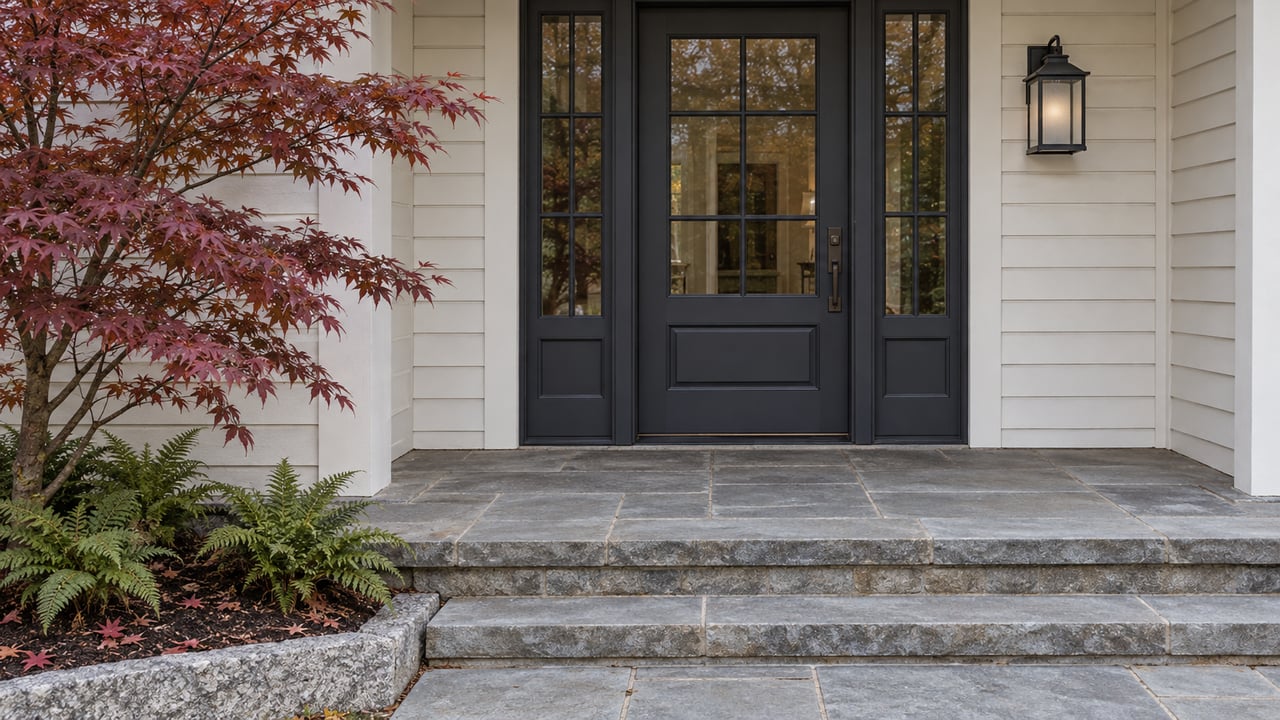
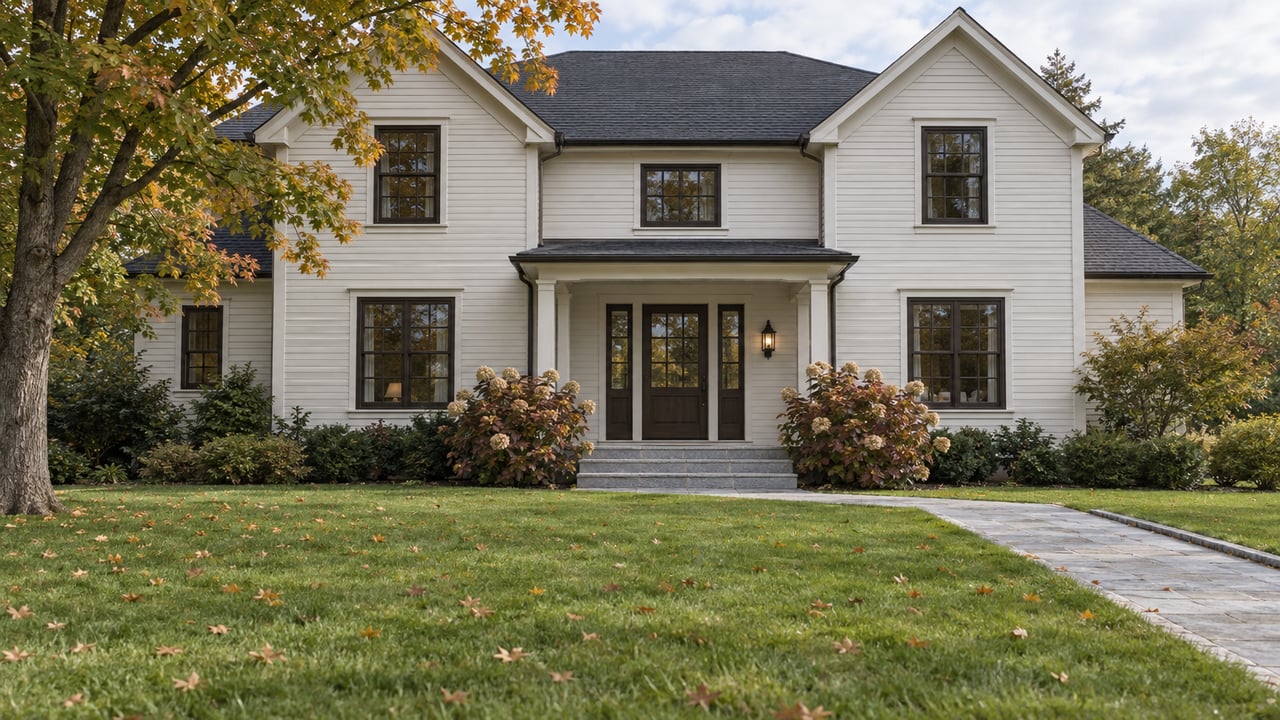
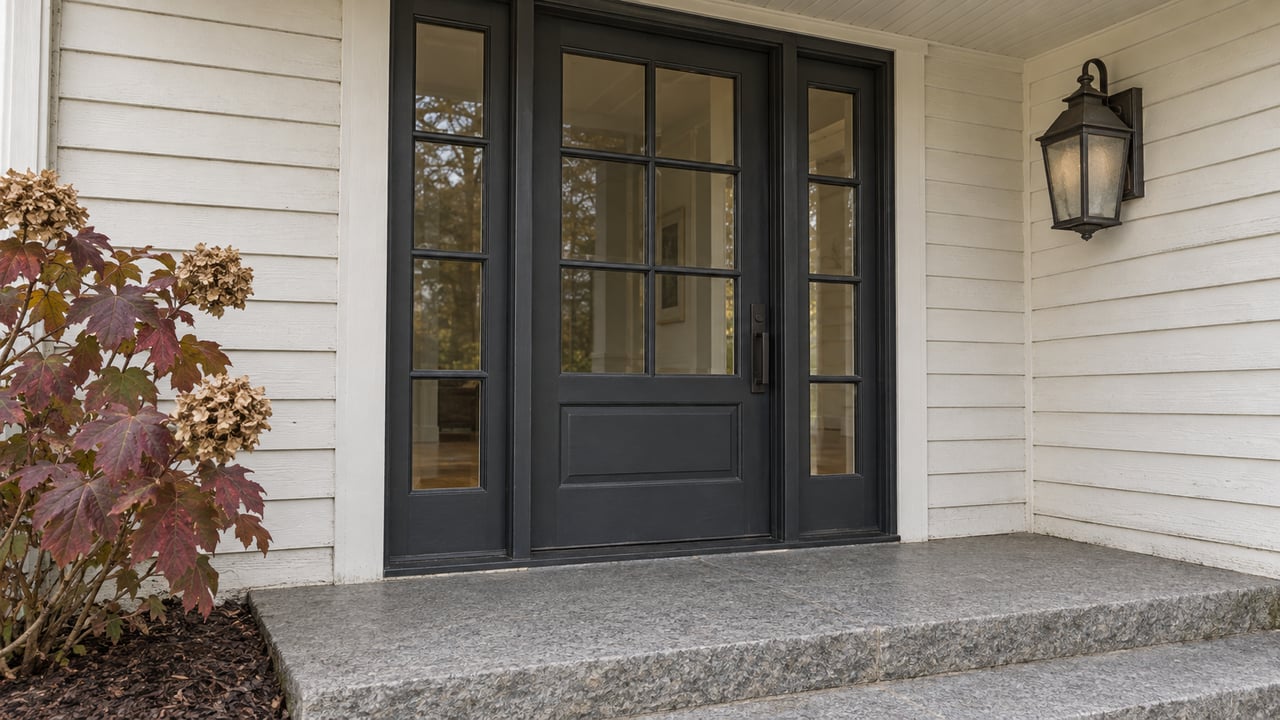
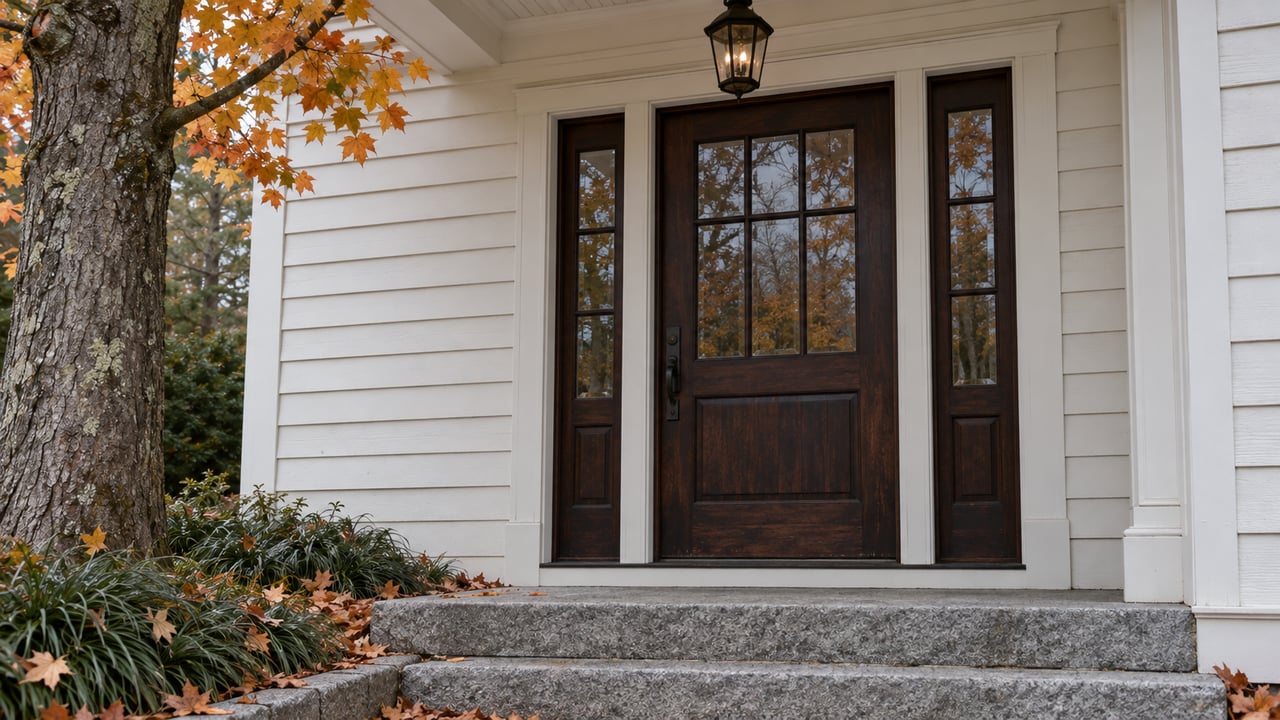
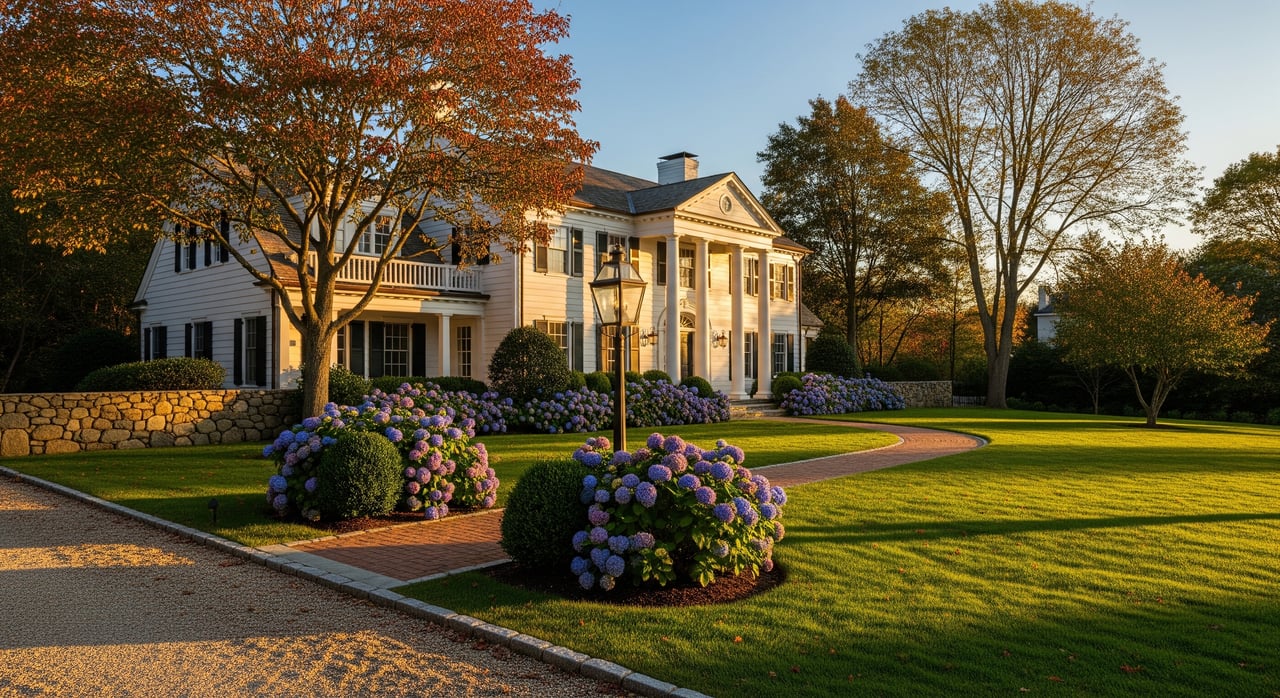
Wellesley’s housing is dominated by single-family homes on medium to large lots. Styles range from early 20th-century colonials to newer custom builds and some mid-century homes. Condominiums and smaller-lot options exist, often near village centers or as infill.
Demand is typically strong given the schools, location, and lifestyle. Inventory can be limited, especially close to village centers and in popular areas, which can create competition for well-presented homes. If you are buying, plan for a focused search and a clear strategy on timing and contingencies. If you are selling, presentation, pricing, and targeted marketing are key to attracting qualified buyers.
Daily life and amenities
You can handle most weekly errands in town, including groceries, pharmacies, fitness studios, and casual dining. For larger shopping trips, big-box stores, or a broader restaurant scene, many residents head to nearby Natick, Newton, or Boston. Healthcare access is convenient, with Newton-Wellesley Hospital and regional providers close by. Childcare and preschool options are available, although advance planning is wise since waitlists can occur.
Is Wellesley a fit for you?
Choose Wellesley if you value village convenience, a strong public-school ecosystem, and easy access to Boston without the urban pace. You will trade a fully car-free lifestyle for quiet residential streets and abundant green space. If that balance matches your priorities, Wellesley offers a comfortable, community-centered place to put down roots.
Ready to explore neighborhoods, compare commute options, or plan pre-market improvements for a sale? The Donahue Maley & Burns Team provides senior-led guidance, polished marketing, and concierge-level service tailored to Wellesley and the surrounding suburbs. Schedule your complimentary home valuation or start a private buyer consultation today.
FAQs
How walkable is Wellesley for daily errands?
- Village centers like Wellesley Square and Wellesley Hills are pedestrian friendly, while most residential areas are suburban in scale and often require short drives for errands.
What are the public school options in Wellesley?
- Wellesley Public Schools serve K–12 with a comprehensive high school and active arts and athletics; review the district website and MA DESE profiles for current data.
How do you commute from Wellesley to Boston?
- Many residents take the MBTA Framingham/Worcester Line from Wellesley Farms, Hills, or Square, or drive via Route 9 and I-95/128 depending on schedule and traffic; check the MBTA schedule.
Where do residents spend time outdoors in Wellesley?
- Locals enjoy the Elm Bank Reservation’s gardens and paths, Morses Pond in summer, town trails and fields, and college greens that host public events and performances.
What types of homes are common in Wellesley?
- Single-family homes on medium to large lots are most common, with architectural variety from early 20th-century colonials to newer custom builds and some condominiums near centers.