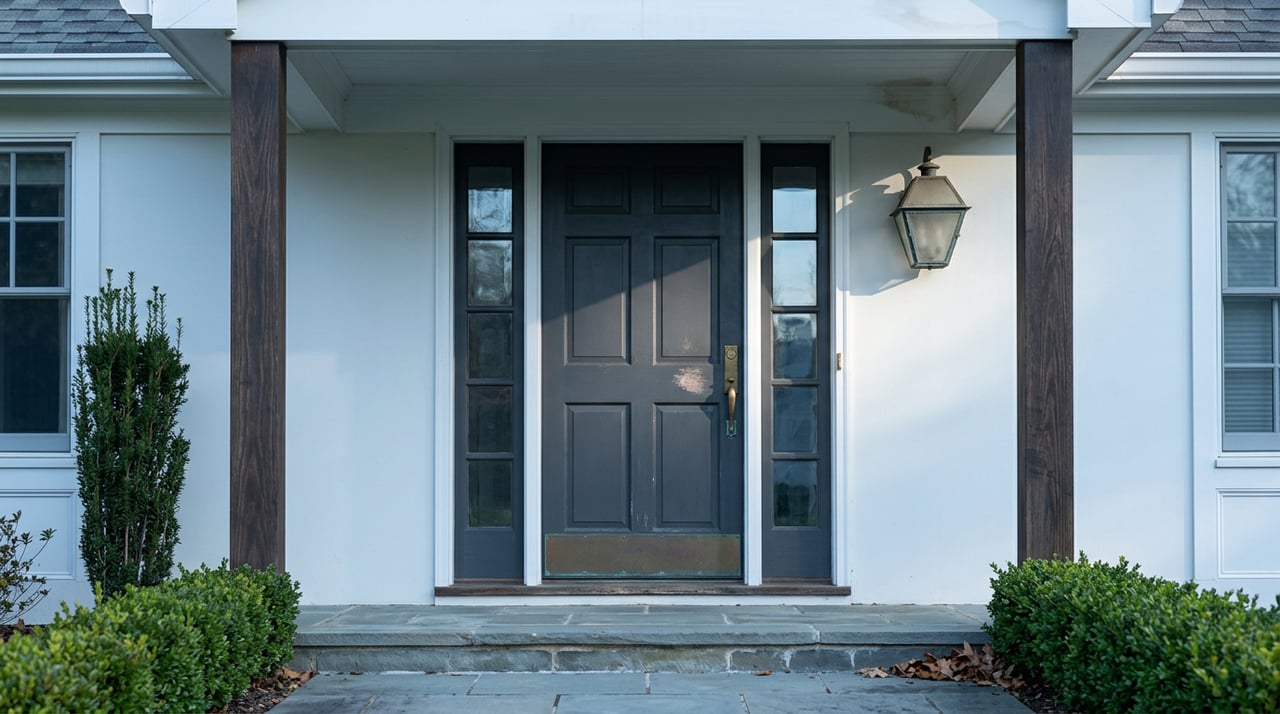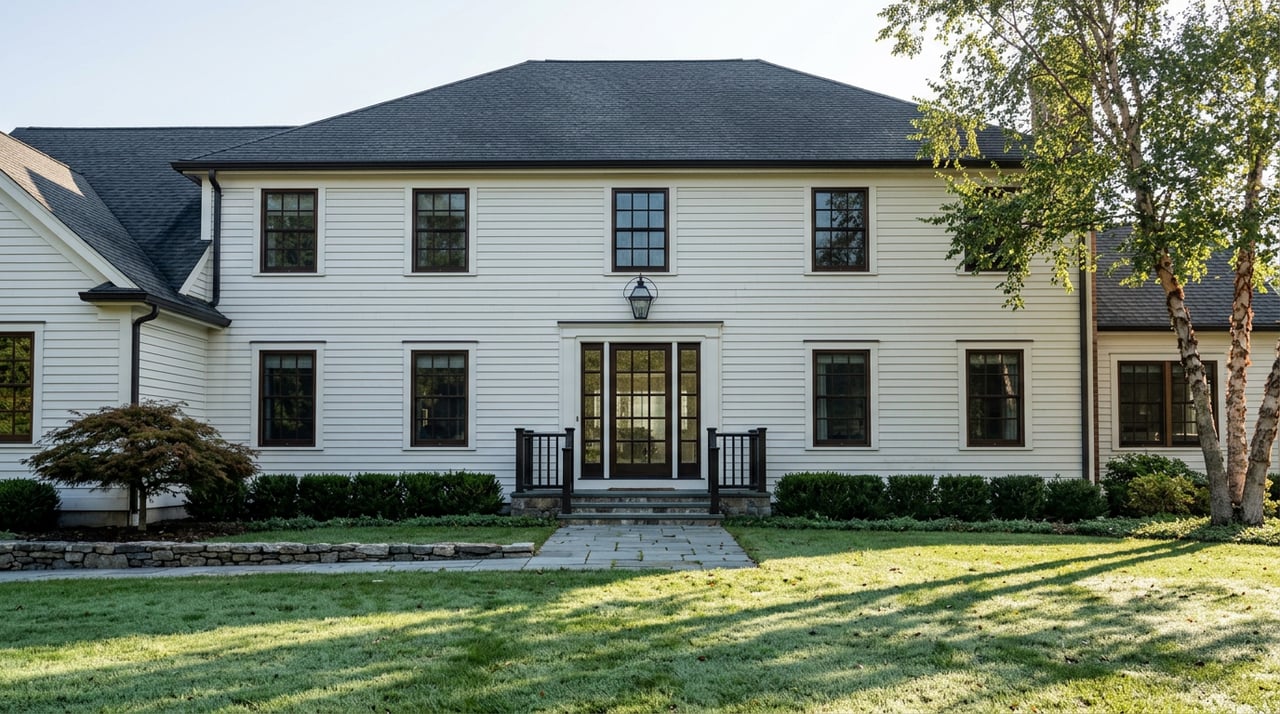
Search for Wellesley's accessory dwelling unit rules today and you'll find two different sets of instructions living side by side. One says you must occupy the property at least 184 days a year to add an in-law suite, and that a detached unit still needs a special permit from the Zoning Board of Appeals. The other says neither is true anymore. Only one of these is currently accurate, and the gap between them matters if you're deciding whether a Wellesley property can support a rental unit, a guest cottage, or space for aging parents before you write an offer or price a listing.
Town Meeting changed the rule in the spring of 2025. A lot of the advice circulating online was written before that, and it hasn't been updated since.
What Town Meeting Actually Changed
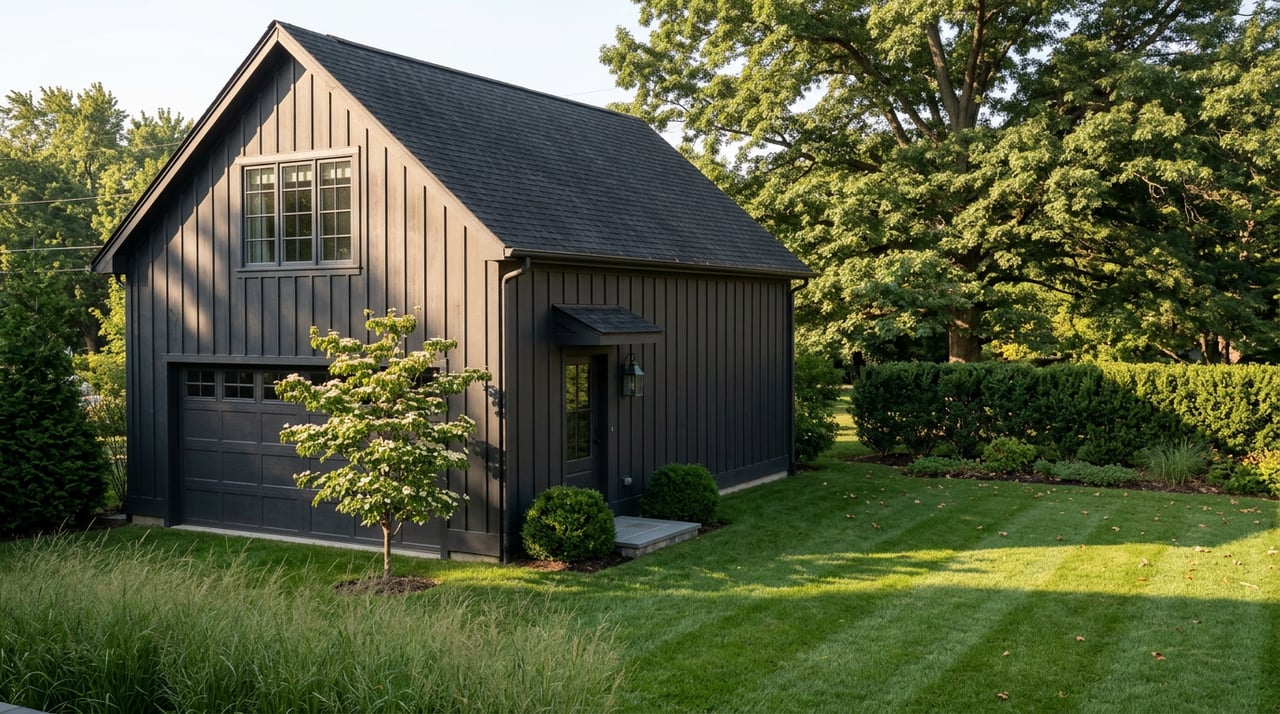
Wellesley's 2025 Annual Town Meeting ran from April 1 through April 15, and one of the articles on the warrant, Article 40.1, rewrote the town's accessory dwelling unit bylaw. The Massachusetts Attorney General's office didn't sign off until July 29, 2025, but the town's own notice confirms the amendments are effective retroactive to April 15, that being the date Town Meeting actually voted. Two changes matter most for anyone evaluating a property. The bylaw lifted the owner-occupancy requirement, and it removed the special permit requirement for detached ADUs. A detached cottage in a backyard, provided it meets the town's size, design, and dimensional standards, now moves through a standard building permit rather than a public hearing.
For context on how new this territory still is, Wellesley issued its first ADU permit in January 2023, back when the bylaw still required the owner to live on site and required a special permit for anything detached. That earlier version of the rule is exactly what a lot of pages still describe.
Why the Old Rule Keeps Showing Up
The timeline explains the confusion. Town Meeting voted in April 2025. The Attorney General didn't publish approval until late July 2025. Contractor sites, ADU directories, and general guides that were written or last updated anywhere in that gap, or that simply haven't revisited the topic since, are still citing the pre-2025 version: owner-occupancy required, special permit required for detached structures. Some of that material carries dates well into 2026, which tells you these aren't stale archives nobody reads. They're live pages currently answering the exact question a Wellesley buyer or seller is asking.
If you're pricing out a project, or a listing describes a property's "ADU potential," the only page worth trusting is the town's current bylaw text under Zoning Bylaw Section 5.13, not whichever contractor blog ranks first.
What Still Actually Controls Whether Your Lot Can Support One
Removing owner-occupancy and the special permit didn't remove every constraint. Several rules still govern feasibility regardless of the 2025 repeal.
| Rule | What It Requires |
|---|---|
| Size cap | Minimum 250 square feet, maximum 900 square feet or 50% of the main dwelling's gross floor area, whichever is smaller |
| Rental term | 30-day minimum lease; no short-term or Airbnb-style rentals |
| Design match | Siding, roof pitch, trim, windows, and doors must match the principal dwelling; exterior stairs on detached units must be hidden from public view |
| Large House Review | Any project pushing Total Living Area past 2,500 square feet, or adding more than 50% to existing TLA, triggers a public hearing before the Planning Board |
| Historic district review | Homes in the Cottage Street or Dana Hall local historic districts need Wellesley Historical Commission sign-off on exterior changes |
| Wetlands buffer | Properties near the Charles River or local ponds fall under a 100-foot regulated buffer that adds review for new construction |
| Septic capacity | Adding a bedroom or a full kitchen can trigger a Title 5 inspection and, on older systems, a required capacity upgrade |
By-right status removed the public hearing for the ADU as an ADU. It didn't remove hearings a project might trigger for other reasons. A homeowner adding a 900-square-foot detached cottage to a house that's already close to the town's Total Living Area ceiling can still end up in front of the Planning Board, just under Large House Review instead of the old ADU special permit article.
The Real Timeline, Not the Marketing One
Cost ranges for Wellesley ADU projects tend to run from roughly $100,000 to $180,000 for a basic internal conversion, such as finishing a basement or garage, up to $200,000 or more for new detached construction. Design and permitting typically take three to six months, including Planning Board review if Large House Review applies, and construction runs another four to eight months depending on scope.
Stacked together, that's a seven to fourteen month path from decision to certificate of occupancy. That number matters because it reframes what an ADU actually is in a Wellesley transaction. It isn't a ninety-day flip that adds instant equity ahead of a spring listing. It's a multi-season commitment, which makes it a more realistic conversation for a buyer planning several years out, or a long-time owner thinking about aging in place with family nearby, than for someone trying to boost a sale price before closing this fall.
The Rules Are Still Moving
Wellesley's zoning bylaw isn't static, and the ADU repeal is one piece of a larger fight the town hasn't resolved. At the April 2026 Annual Town Meeting, two-thirds of a three-hour session went to a contested debate over eliminating Residential Incentive Overlays in Single Residence and other districts, a fight long-time observers of Town Meeting expected to run long, and it did. The meeting dissolved shortly after. The town's planning director position had also gone unfilled since the previous director departed at the end of 2025, and a formal Comprehensive Plan process, meant to sort through exactly these kinds of zoning questions, is only now getting underway with delivery targeted for 2028.
None of that changes what the ADU bylaw says today. It does mean the version of Section 5.13 that's accurate this month may not be the last word Wellesley has on the subject.
What This Means If You're Weighing an ADU Right Now
A few habits keep you working from the current rule instead of the outdated one:
- Confirm the bylaw directly against wellesleyma.gov Section 5.13 rather than the first ADU contractor page you find, since the owner-occupancy language many pages still cite is no longer enforceable.
- Check your lot's existing Total Living Area before assuming automatic by-right approval. Anything approaching 2,500 square feet, or an addition over 50% of current TLA, likely means a Planning Board hearing either way.
- If the parcel touches the Charles River or a local pond, build review time into your timeline for the wetlands buffer.
- If you're near Cottage Street or Dana Hall, plan on Historical Commission review for any exterior work, ADU or otherwise.
- Get a Title 5 inspection early if the septic system predates current capacity standards. On some lots, the septic system, not the zoning bylaw, ends up being the real ceiling on what you can build.
A Few Questions We Hear Often
Do I still need to live in the house to build an ADU in Wellesley? No. Town Meeting removed that requirement through Article 40.1, effective April 15, 2025.
Can I rent my Wellesley ADU short term, like on Airbnb? No. The town's 30-day minimum lease term applies to ADUs regardless of the state's broader short-term rental framework.
Does a detached ADU still need a special permit? Not since the 2025 amendment, as long as it fits within the by-right size, design, and dimensional standards. Projects that exceed those standards, or trip the Large House Review threshold, still require Planning Board review.
Whether you're weighing an ADU as a way to keep family close, add rental income, or simply want to understand what a Wellesley property can and can't support before you make an offer, the details above change what a listing is actually worth to you. The Donahue | Maley | Burns Team works these questions into every Wellesley conversation we have with buyers and sellers. Schedule your complimentary home valuation and we'll walk through what your specific lot, and its zoning history, actually allows.