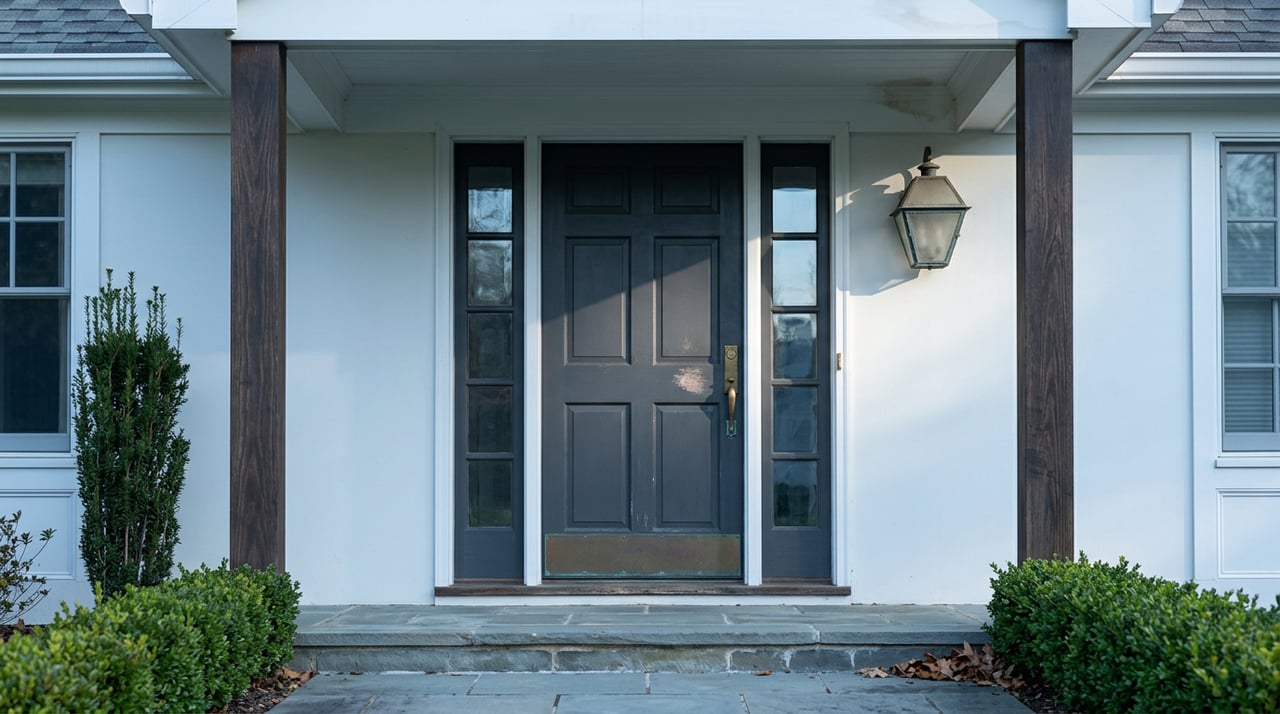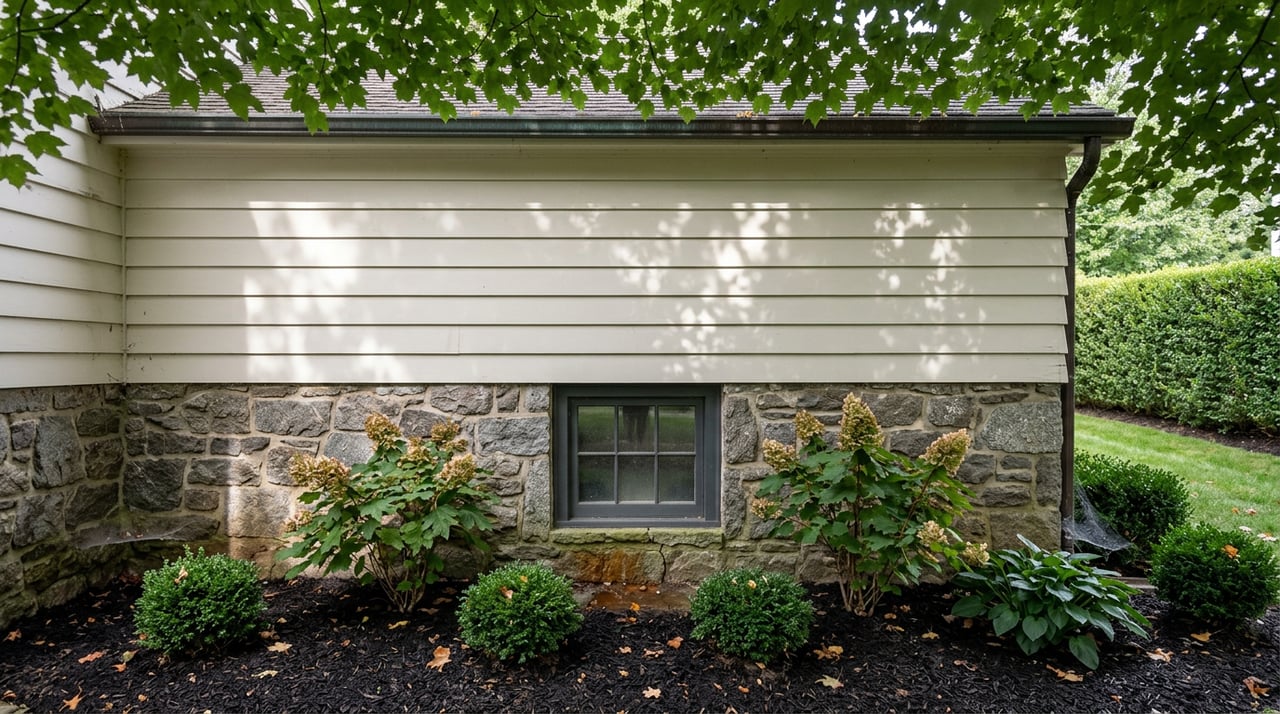
The surprise rarely comes at listing. It shows up ten days into a signed purchase and sale agreement, when a home inspector kneels in a Wellesley basement, notices a capped pipe running through the foundation wall, and asks the question every seller of an older colonial eventually hears: is there an oil tank buried somewhere on this property?
By that point, the buyer's inspection contingency clock is already running. The clock that governs how fast a buried tank can actually come out of the ground runs on a completely different schedule, set not by the purchase and sale agreement but by the Wellesley Fire Department. Those two clocks rarely move at the same speed, and the gap between them is where sellers lose leverage they didn't know they had.
Why Wellesley Runs Into This More Than Most Towns
This isn't a fluke of one unlucky house. It's a function of what Wellesley actually is. Colonial Revival homes make up 57 percent of the town's single-family housing stock, and the median single-family home in Wellesley was built in 1950, with 35 percent of the stock dating to 1939 or earlier, according to the town's draft Strategic Housing Plan, as detailed in our own look at Wellesley's historic housing stock. Planned neighborhoods built in that same window, from Wellesley Farms to Cliff Estates, sit squarely inside the decades when oil heat was the default choice for a new home.
Homes built before 1960 are, in the language of one Massachusetts tank removal firm, prime candidates for underground heating tanks, often buried four to ten feet from the foundation, sometimes under a driveway or a patio. Translate that into plain terms: a majority of Wellesley's housing stock was built during the exact decades when oil heat was standard, and long before anyone required a homeowner to remove a tank just because the furnace switched to gas. A tank could be disconnected in the 1980s and never touched again. No law forced its removal. No neighbor noticed. It simply waited for the next owner's inspector to find the pipe.
A town built mostly after 1980 wouldn't have this problem at anywhere near the same rate. Wellesley, with more than a third of its homes predating World War II, has it built into the housing stock itself.
The Clock the Purchase and Sale Agreement Doesn't Mention
Massachusetts inspection contingencies are typically measured in days, not weeks. Removing an underground tank in Wellesley is not. The town's own fire department lays out a process that has to happen in a specific order, with specific people present, regardless of how eager the buyer or seller is to close.
Before a tank can leave Wellesley, the contractor needs a Dig Safe locate number, a copy of the Massachusetts DEP hazardous waste manifest or low rate hazardous waste generator form, and the name of the approved tank yard that will receive it. The Wellesley Fire Department has to be notified at least two hours before the actual removal, and no underground tank comes out of the ground without a Fire Department representative on site to watch it happen. Once the tank is out, Massachusetts requires a contamination measurement of the surrounding soil within 24 hours of removal. The tank itself can't be cut up on site, and it has to leave town the same day it's removed. A disposal receipt then has to reach the Fire Department within 72 hours.
None of that is unreasonable. It's also not something a contractor can compress into a Tuesday afternoon because a buyer's financing contingency expires Friday.
| Step | Who's Involved | Timing Requirement |
|---|---|---|
| Locate the tank | Dig Safe | Scheduled ahead of any excavation |
| File hazardous waste paperwork | Licensed hazardous waste or waste oil transporter | Completed before removal |
| Notify the town | Wellesley Fire Department | At least 2 hours before removal |
| Removal itself | Fire Department representative | Required on site, no exceptions |
| Soil measurement | Removal contractor | Within 24 hours of removal |
| Transport out of town | Approved tank yard | Same day as removal |
| Disposal receipt filed | Wellesley Fire Department | Within 72 hours |
Line that up against a ten to fourteen day inspection period and it becomes clear why sellers who discover a tank after going under agreement so often end up granting a credit instead of finishing the removal in time to close on schedule. The process isn't slow because anyone is being difficult. It's slow because it's designed to be verified by a third party at nearly every step.
What It Costs, and Who Ends Up Paying
A straightforward tank removal in Massachusetts, with no sign of contamination, generally runs $1,000 to $2,500 depending on tank size and how accessible it is. That's a manageable number for most Wellesley budgets. What changes the math is what the soil measurement finds. If the tank leaked, cleanup costs can climb into the tens of thousands, and at that point the conversation stops being about a repair credit and starts being about whether the deal survives at all.
Buyers who find a tank during their inspection period hold leverage most sellers don't want tested. Mortgage lenders and insurance carriers can be reluctant to finalize a loan or a policy while a tank question is still open, which puts pressure on everyone to resolve it before the financing contingency runs out rather than after. The cleanest version of this, for both sides, has the seller completing removal and soil testing before closing rather than handing the buyer a credit and the liability that comes with it. A credit solves the seller's math. It doesn't solve the buyer's, since the new owner is the one who inherits any contamination discovered later.
The Sellers Who Never Have This Conversation
The sellers who avoid all of this aren't the ones who get lucky. They're the ones who ask the question before a buyer's inspector does. A few ways that shows up in practice:
- Pulling old fuel delivery invoices, which often survive in a filing cabinet long after the furnace itself has been replaced
- Walking the foundation for a capped fill pipe or vent, a common tell even when the tank itself is invisible
- Bringing in a licensed contractor to run a locate before listing, rather than waiting for a buyer's inspector to find it first
Any of these moves the process outside the pressure of a signed contract. If a tank is there, removal happens on the seller's calendar and the Fire Department's calendar, not on a contingency clock that's already counting down. For sellers using Compass Concierge to fund pre-listing improvements, a tank removal is a reasonable line item to fold into that plan rather than a surprise credit negotiated under deadline pressure weeks later.
Buyers benefit from asking early too. Raising the oil tank question during the inspection period, rather than after financing and appraisal deadlines have nearly passed, keeps every option open: a negotiated removal, a price adjustment, or simply walking away if the numbers don't work for either side.
A Few Questions We Hear Often
Does every older Wellesley home have a buried tank? No. Plenty of pre-1960 homes converted to gas heat with above-ground tanks, or never ran on oil at all. The age and style of a home raise the odds. They don't guarantee it.
Who typically pays for removal, the buyer or the seller? There's no fixed rule. It comes down to what the purchase and sale agreement says, when the tank is discovered, and what the soil testing shows. Sellers who resolve it before listing tend to avoid this negotiation entirely.
What if I genuinely don't know whether my home has one? Old fuel delivery invoices, a capped pipe near the foundation, or a line item buried in a prior inspection report are common clues. A licensed locate service can confirm it either way before it becomes a mid-contract discovery.
Does finding a tank always delay closing? Not if it's found early enough. The municipal steps take the same amount of time regardless of when they start, so the further ahead of a signed contract the discovery happens, the less likely it is to threaten the closing date.
If you're weighing a sale of an older Wellesley home, or trying to understand what a listing's heating history might mean for your offer, the Donahue | Maley | Burns Team can walk through what a property's age and systems actually mean for your timeline. Schedule your complimentary home valuation and we'll tell you, plainly, what to expect before a buyer's inspector does.