Wondering what makes Wellesley homes feel so distinct from one street to the next? If you are drawn to older homes, architectural character, and the story behind a property, Wellesley offers a rich mix of design that reflects how the town grew over time. From Victorian-era houses near Cottage Street to Colonial Revival homes that define much of the local housing stock, understanding Wellesley’s architecture can help you buy or sell with more confidence. Let’s dive in.
Wellesley’s Historic Character
Wellesley is not a classic colonial town in the way some older Massachusetts communities are. According to the Town’s history overview, the area remained largely agricultural for much of the 18th and early 19th centuries and changed more rapidly after the railroad arrived in the 1830s.
That shift matters when you look at housing. Wellesley College was founded in 1875, the town was incorporated in 1881, and the community developed as a carefully planned suburban town with parks, civic buildings, and thoughtfully laid-out neighborhoods. As a result, Wellesley has fewer surviving colonial and Federal-era homes than some nearby towns, and far more late-19th-century and early-20th-century architecture.
Today, that architectural legacy is still visible across town. Wellesley currently lists 11 structures and places on the National Register of Historic Places, including Fuller Brook Park, Wellesley Farms Railroad Station, Wellesley Hills Branch Library, Wellesley Town Hall, and the Hunnewell Estates Historic District.
Colonial Revival Leads the Market
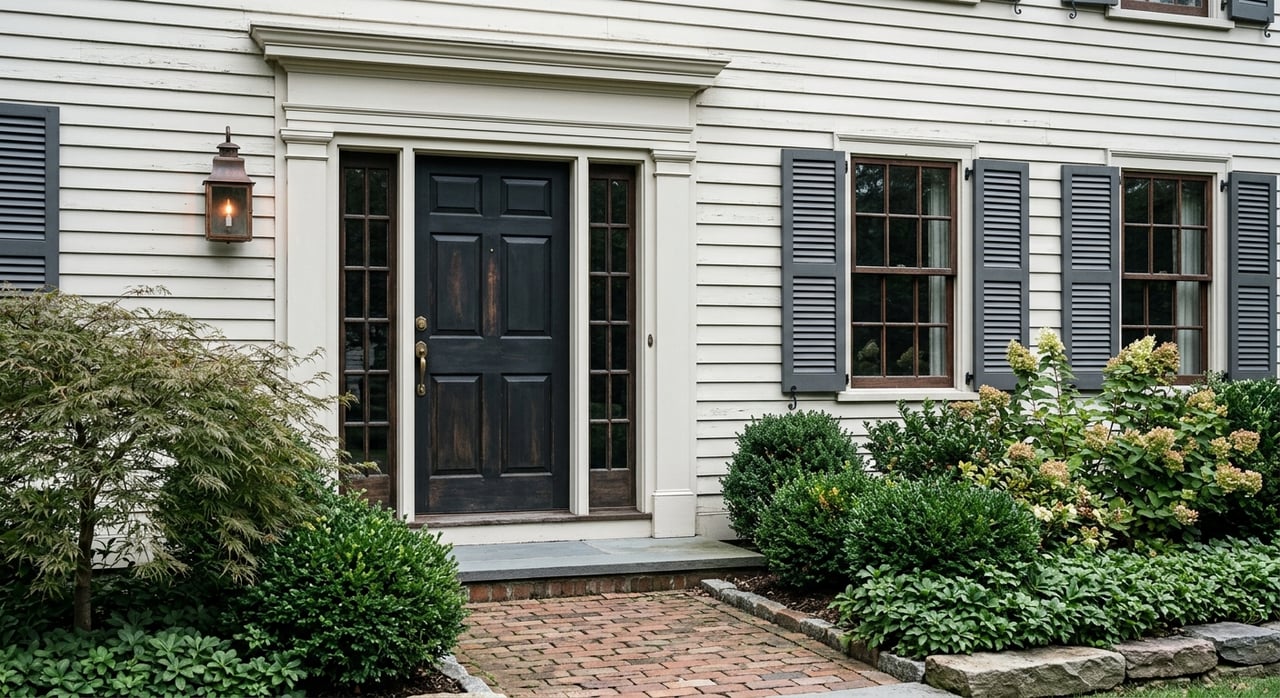
If you picture a classic Wellesley home, chances are you are picturing a Colonial Revival. The town’s draft Strategic Housing Plan says Colonial is the most common single-family style in Wellesley, representing 57 percent of the stock.
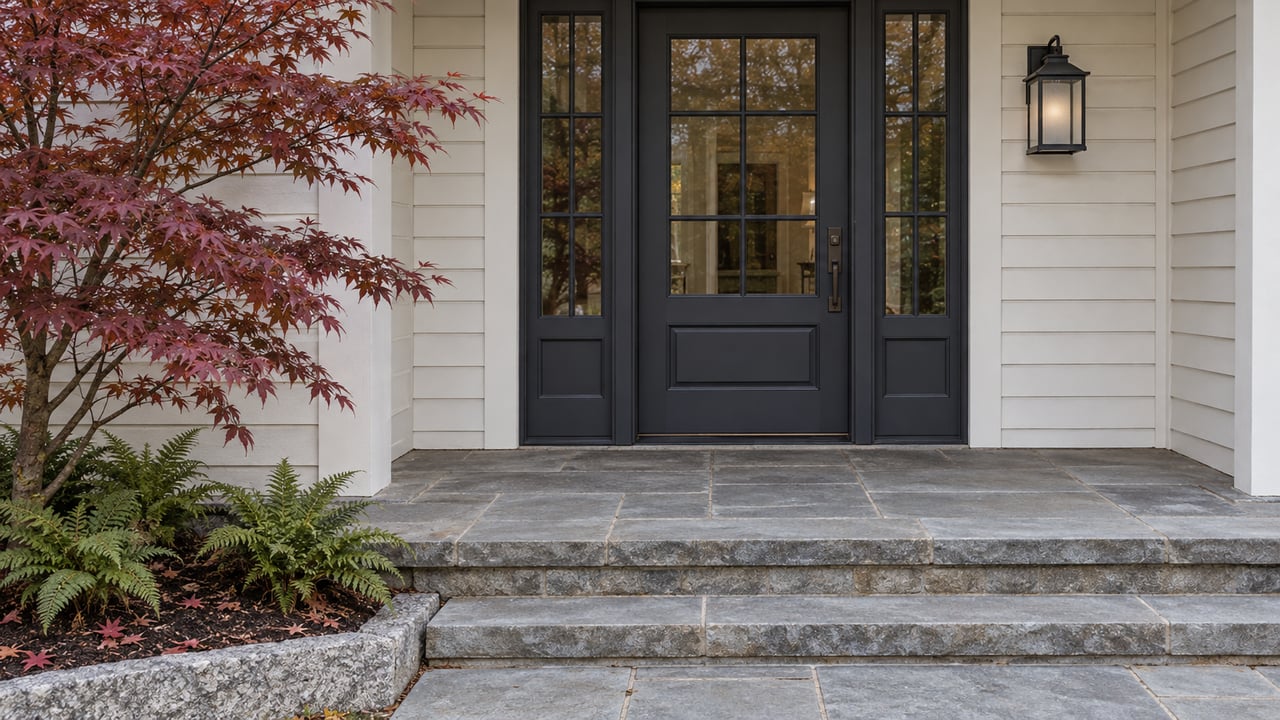
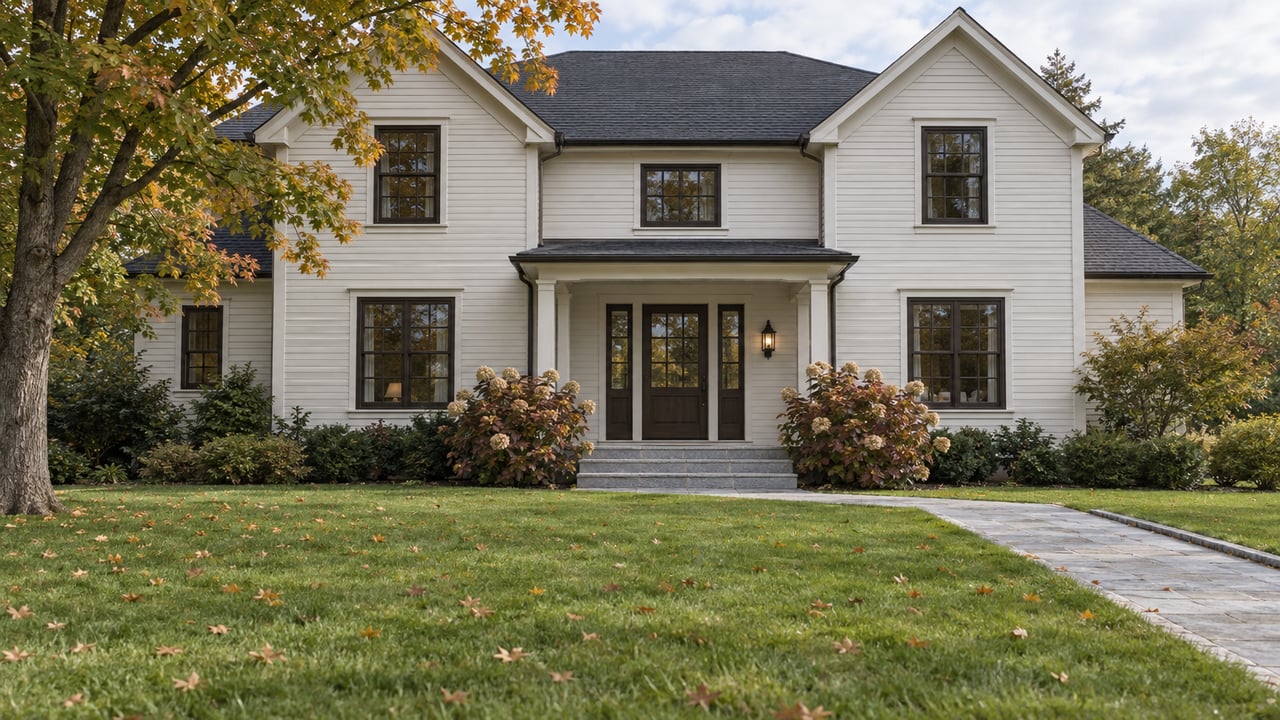
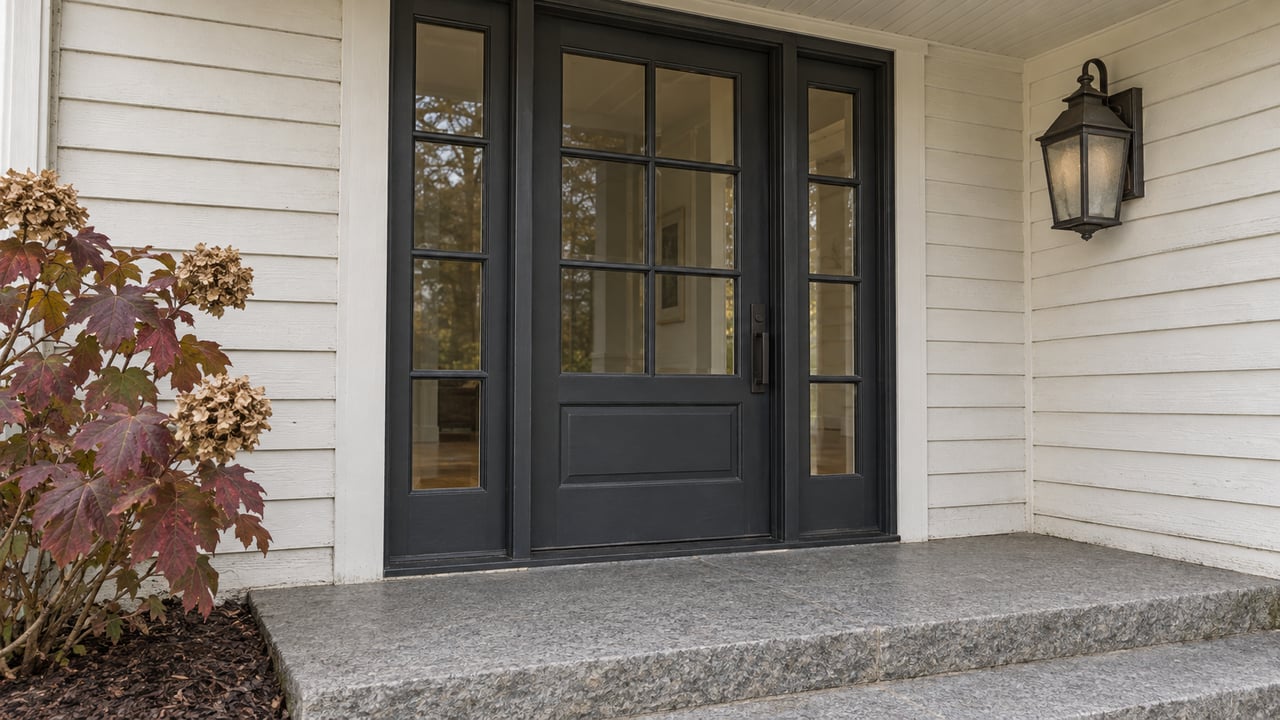
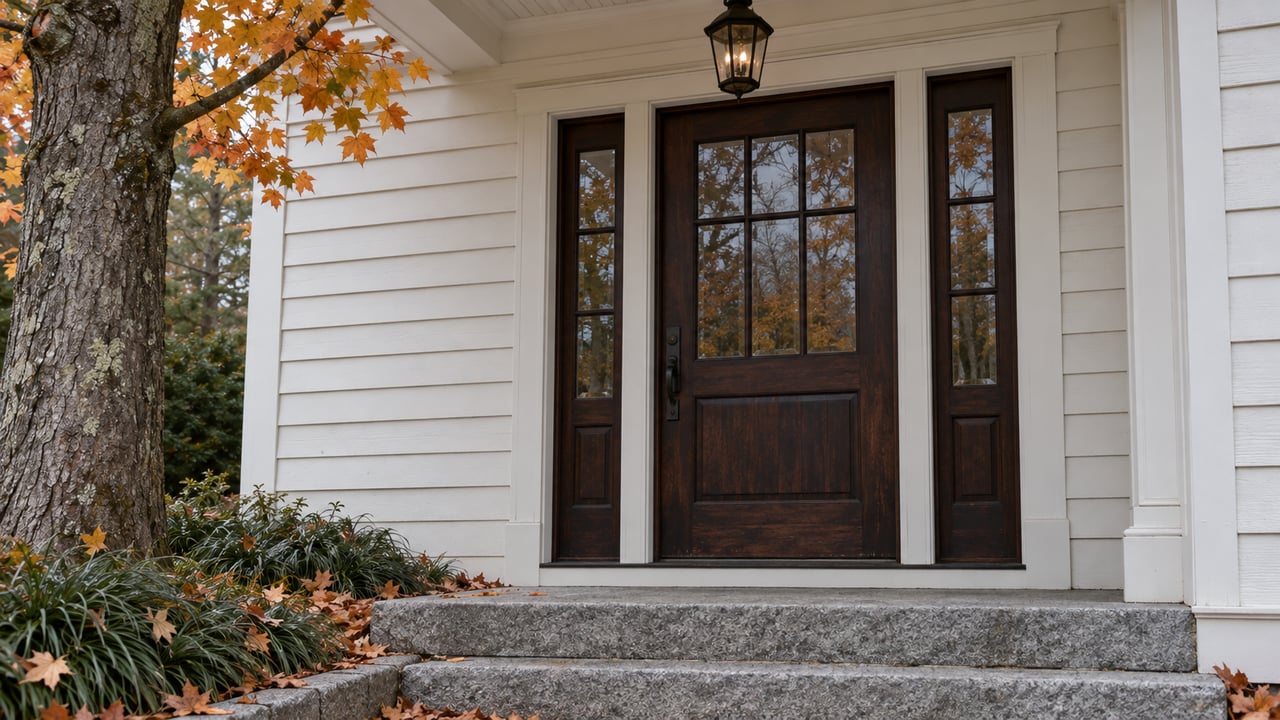
In practical terms, that often means symmetrical front façades, centered front doors, gabled roofs, shutters, and exterior materials like clapboard or brick. Many of these homes are not original colonial-era houses. Instead, they are 20th-century interpretations that became especially popular as Wellesley expanded as a suburban community.
This also helps explain why Wellesley feels consistent in many neighborhoods. The same housing plan notes a median single-family construction year of 1950, while 35 percent of the overall housing stock was built in 1939 or earlier. That creates a townwide architectural rhythm that still appeals to today’s buyers.
Where You See Colonial Revival
Belvedere Estates and Cliff Estates are two especially useful examples. Town records identify 45 Windsor Road as a Colonial Revival home in Belvedere Estates, while town materials also describe homes in Cliff Estates as part of a cohesive early-1930s architectural grouping.
If you are house hunting, these areas show how Wellesley’s best-known architecture is often tied to planned neighborhood development rather than one-off historic homes. If you are preparing to sell, that neighborhood context can also shape how buyers perceive value, design continuity, and curb appeal.
Victorian Homes Tell an Older Story
While Colonial Revival may dominate, Wellesley’s older residential story comes through most clearly in Cottage Street and nearby streets. The town’s Historic Home Plaque Profiles describe many homes on Cottage Street, Abbott Road, Brook Street, and surrounding blocks as dating from the 1860s through the early 1900s.
This area has a different feel from later suburban sections of town. Wellesley describes the Cottage Street district as a place that preserves workers’ houses connected to the town’s 19th-century shoe manufacturing history. The scale is often more modest, and the streetscape gives you a stronger sense of Wellesley before much of its early-20th-century suburban buildout.
Why Cottage Street Matters
For buyers, Cottage Street offers a useful reminder that historic character in Wellesley is not only about large formal homes. Some of the town’s most meaningful older housing is smaller in scale and tied directly to local economic and social history.
For sellers, this distinction matters too. Buyers interested in older homes are often looking for more than age alone. They may also be responding to setting, proportion, period details, and the feeling of a street with a visible historic identity.
Tudor and Revival Styles Add Variety
Wellesley’s interwar growth brought more than Colonials. Tudor and related revival styles also play an important role, especially in neighborhoods and commercial districts shaped during the early 20th century.
The town’s Design Guidelines describe Wellesley Hills as an area known for low-rise buildings with brick and slate roofs, and they specifically note Eaton Court for its Tudor-inspired use of stucco, brick, and exposed beam detailing. Preservation reports for Windsor Road and Cliff Estates also point to Tudor, Cape, Georgian, and French-inspired homes as part of the local architectural mix.
Why Tudor Homes Stand Out
Tudor homes often bring a more picturesque and textured look to the streetscape. In Wellesley, they are not random outliers. They reflect the town’s broader suburban development during the interwar period, when architectural variety was often used to create polished, visually appealing neighborhoods.
If you are comparing homes in Wellesley, that variety can be a real advantage. It gives buyers more than one version of “classic” architecture, while still preserving the strong sense of place that defines the market.
Where Architecture Clusters in Town
Wellesley’s architectural story becomes easier to read when you look at it by area. Different parts of town reflect different eras, uses, and design patterns.
Wellesley Square
According to the town’s design handbook, Wellesley Square is the community’s preeminent commercial area, with an eclectic mix of architecture around Town Hall, the Village Church, shops, and nearby residential streets. Brick storefronts, civic buildings, and landscaped pocket parks give it a more urban feel than surrounding neighborhoods.
For buyers and sellers alike, Wellesley Square helps show how civic architecture and residential character work together. It is one of the clearest examples of the town’s layered development pattern.
Wellesley Hills and Lower Falls
Wellesley Hills and Lower Falls tell a different story. Lower Falls is identified in town materials as Wellesley’s original industrial district, shaped by mills, storefronts, and the old railroad depot, while Wellesley Hills is known for brick, slate-roofed buildings and landmarks like the Hills Branch Library and Isaac Sprague Memorial Clock Tower.
These areas are useful if you want to understand how transportation, industry, and civic development influenced the town’s architecture. They also show that Wellesley’s historic character is not limited to residential streets alone.
Belvedere, Cliff, and Denton Road
For residential architecture, several clusters stand out in town planning and preservation materials. The town’s open space and planning documents reference earlier survey work that recommended neighborhoods such as Belvedere Estates, Cliff Estates, and other residential areas for National Register consideration.
Belvedere Estates and Cliff Estates help explain how early-20th-century subdivision planning shaped the local housing stock. Denton Road offers another vivid example. The town’s study report for Denton Road describes a street that began with a 19th-century Victorian house and evolved alongside Wellesley College, Dana Hall, St. Andrew’s, and the walkable landscape of Fuller Brook.
What Buyers Should Know
If you are considering an older home in Wellesley, architectural charm is only part of the picture. You should also understand how age, location, and local preservation rules may affect future plans.
Wellesley is nearly built out, and older homes are central to the town’s housing conversation. The draft housing plan shows that while more than 1,200 single-family homes were built from 2003 to 2025, the town’s net increase in single-family stock was just 95 homes. That points to a significant demolition-and-rebuild pattern rather than large-scale new subdivision growth.
Historic District Review
The town currently has one multiple-building local historic district and five single-building historic districts. Within local historic districts, the Historic District Commission reviews exterior changes that are visible from a public way, while interior work is not reviewed through that district process.
That does not mean every older house is tightly restricted. It does mean that if you are buying in or near a protected area, it is worth understanding what kinds of exterior changes may require review.
Demolition Delay Rules
Wellesley also has a demolition-review bylaw adopted in 2017. If an eligible building is found to be preferably preserved, a demolition delay of up to 12 months may apply, although a waiver can shorten or remove that delay in some cases.
For buyers, this matters if you are considering a major renovation or teardown scenario. For sellers, it can shape how you position an older property, especially when its value includes both livability and architectural significance.
Neighborhood Conservation Districts
The town also uses Neighborhood Conservation Districts as a tool for places that are distinctive but may not fit a traditional historic-district model. Wellesley authorized these districts in 2007 after more than 305 homes had been demolished in the early 2000s.
That local context is important. In Wellesley, preservation and redevelopment often exist side by side, and the most successful projects usually respect the scale, siting, and visual rhythm of the street.
How Older Homes Fit Today’s Market
One of the most interesting things about Wellesley is that historic character and newer construction are often part of the same conversation. The town’s housing data and preservation reports suggest that many newer homes are rebuilds or carefully scaled infill rather than part of entirely new subdivisions.
Town staff reports on Windsor Road note that newer homes added in multiple years did not detract from the neighborhood’s historic character. That tells you something important about the Wellesley market: buyers often value updated living spaces, but they also respond to homes that fit naturally into the surrounding architectural context.
For sellers of older homes, this can be an opportunity. Original character, good proportions, and a strong setting can be powerful assets when paired with thoughtful updates. For buyers, it means the best long-term fit is often a home that balances period appeal with practical livability.
If you are thinking about buying or selling a historic or architecturally significant home in Wellesley, local context matters. From evaluating neighborhood character to positioning a property’s design story in the market, the right guidance can make a meaningful difference. The Donahue Maley & Burns Team offers a polished, locally informed approach to Wellesley real estate, whether you are preparing a legacy property for sale or looking for a home with timeless architectural appeal.
FAQs
What architectural style is most common in Wellesley homes?
- Colonial Revival is the most common single-family style in Wellesley, representing 57 percent of the housing stock according to the town’s draft Strategic Housing Plan.
Where can you find older historic homes in Wellesley?
- Cottage Street and nearby streets such as Abbott Road and Brook Street are among the strongest areas for older late-19th-century homes and smaller-scale historic residential character.
Are many Wellesley homes actually colonial-era houses?
- No. Wellesley has relatively few surviving colonial- or Federal-era houses compared with older Massachusetts towns, and much of its historic housing story is Victorian, Colonial Revival, and early-20th-century suburban architecture.
What should buyers know about historic districts in Wellesley?
- In Wellesley local historic districts, the Historic District Commission reviews exterior changes visible from a public way, while interior work is generally not reviewed through that district process.
Do demolition rules affect older homes in Wellesley?
- Yes. Under Wellesley’s demolition-review bylaw, an eligible building that is deemed preferably preserved may be subject to a demolition delay of up to 12 months.
How do newer homes fit into historic Wellesley neighborhoods?
- In many cases, newer homes appear as rebuilds or infill and are evaluated in relation to neighborhood massing, siting, and architectural compatibility rather than as entirely separate development patterns.