Thinking about selling your Wellesley home in the next year? You want a plan that protects your time, reduces stress, and helps you capture every dollar the market will bear. With the right pricing strategy, targeted prep, and a strong team at your side, you can position your home to stand out and sell well. In this guide, you’ll learn how to read the market, invest in the updates that matter, decide if Compass Concierge is a fit, and follow a clear 6 to 12 month timeline. Let’s dive in.
Read the market, price with precision
What recent numbers say
Wellesley sits at the top of Greater Boston’s suburban market, with recent medians clustering in the low to mid 2 million dollar range. Across public indexes, you’ll often see medians between about 1.9 million and 2.25 million, with price per square foot commonly in the 650 to 785 dollars per square foot range. Month-to-month swings are normal because the town has a small number of sales each month, so a 6 to 12 month view gives a clearer trend.
What this means for you: pricing is not one-size-fits-all. Your list price should tie to recent closed sales, current competition, and realistic buyer demand for your home’s size, location, and condition.
Neighborhood tiers and tactics
Every village and price band behaves a little differently. As a rule of thumb:
- Entry to core access, about 1.0 to 1.9 million: often smaller homes and condos. Focus on move-in readiness and polished presentation.
- Core family sweet spot, about 1.5 to 2.5 million: strong buyer pool for renovated homes. Aim to spark multiple offers with sharp pricing and standout marketing.
- Prime and luxury, above 2.5 million: think Cliff Estates, larger renovated or newer custom homes. Buyers expect turnkey condition and lifestyle features, so presentation and targeting are critical.
Wellesley Hills and Wellesley Farms often command premiums in recent snapshots, while Wellesley Square and Linden Square areas can show more entry to core options. Use these as starting points, then apply local comps and your home’s specifics.
Build your pricing game plan
- Review the last 6 to 12 months of nearby closed sales for size, lot, and finish level.
- Compare against active listings to see what buyers are choosing today.
- Use price per square foot as a guide, then adjust for lot quality, finished lower level, and updates.
- Watch demand indicators like days on market and percent of list price achieved.
- Ask your agent for a CMA and scenario plan so you know how price changes impact your likely buyer pool.
Condition and presentation that sell
Staging and photography payoff
Buyers in Wellesley pay a premium for homes that feel move-in ready. Industry data shows staging helps buyers visualize and can reduce days on market. The National Association of REALTORS reports that staged rooms often lead to stronger engagement and faster sales, and agents commonly recommend decluttering, deep cleaning, and pro photography before launch. You should lead with your best image set online because that first photo drives clicks and showings. NAR highlights real room transformations and results, and notes that as homes linger, staging becomes even more important.
What to budget: many sellers invest a few hundred dollars for a consultation or a few thousand for partial or full staging. In higher price points, the return on polished presentation tends to be stronger.
High-impact, lower-cost updates
Targeted improvements usually beat major remodels before a sale. National Cost vs Value research shows smaller curb appeal projects often recoup the highest share of cost, while modest kitchen and bath refreshes perform better than full guts. Use this as directional guidance, then check local comps to confirm fit for your tier. Review the latest summary from the Journal of Light Construction’s Cost vs Value analysis.
Quick wins to prioritize:
- Declutter, deep clean, and depersonalize. Aim for light, calm rooms that feel open.
- Fresh paint in a light, neutral palette. Refinish hardwoods if needed.
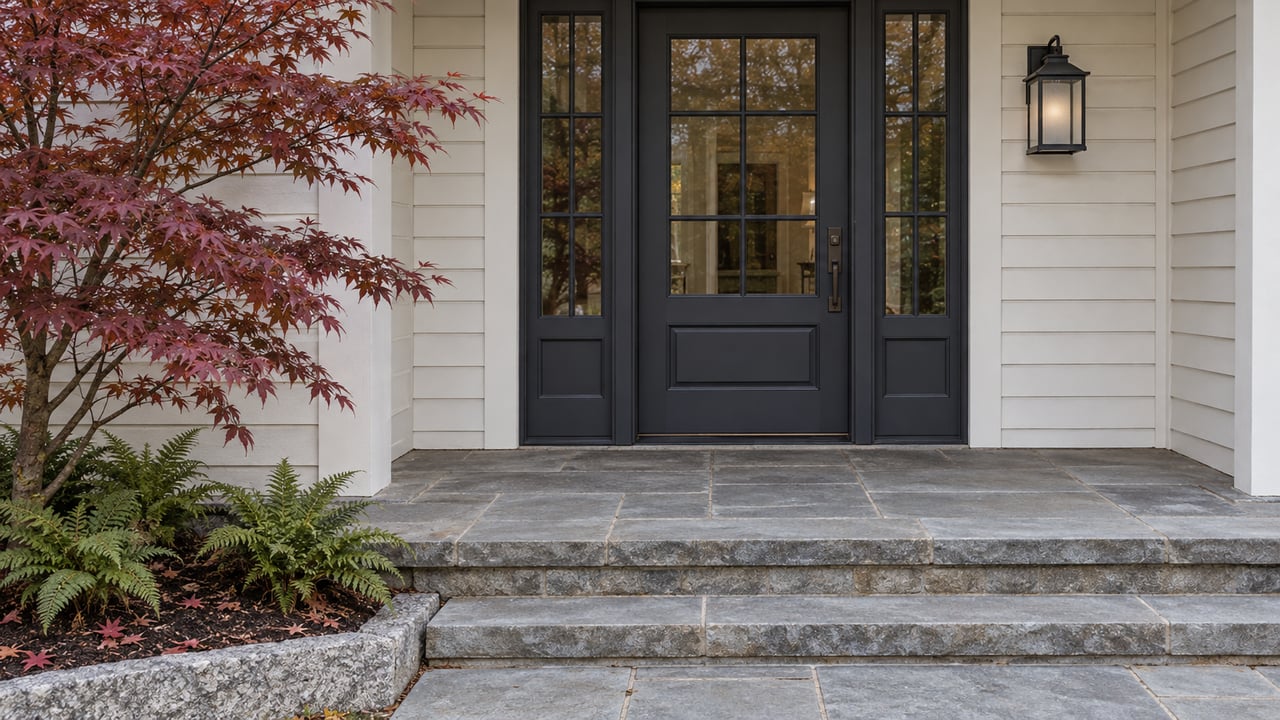
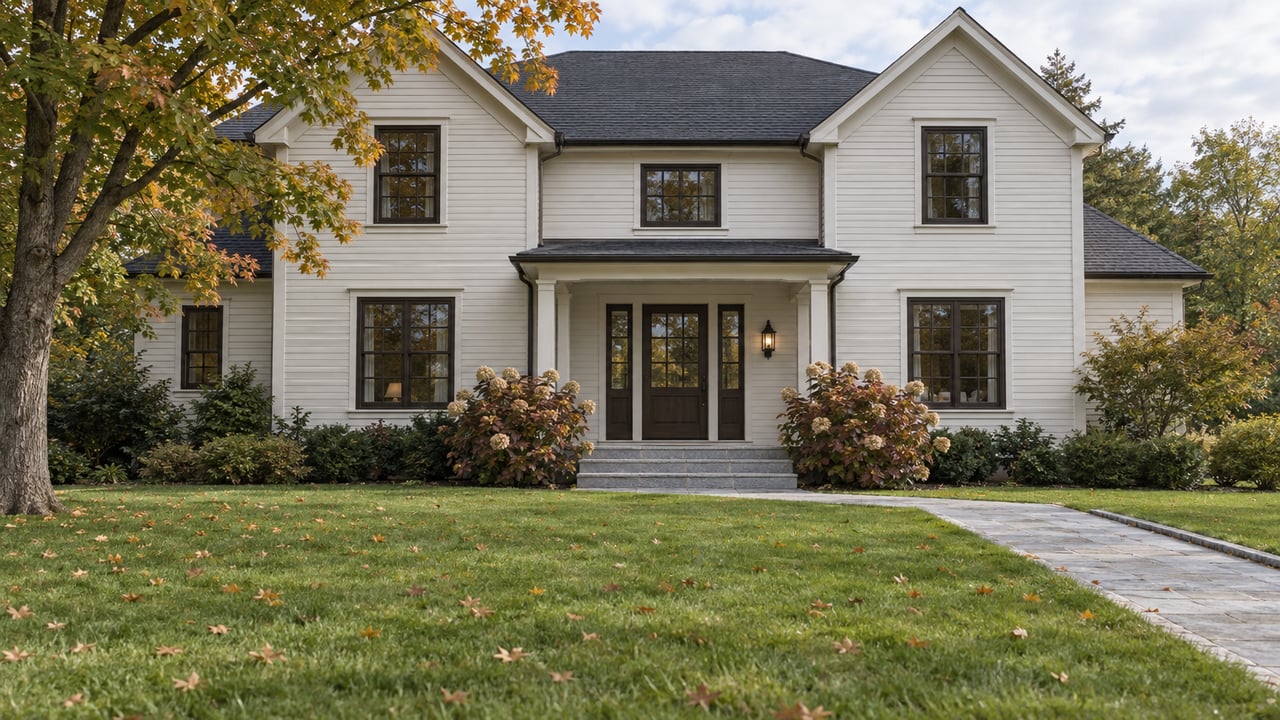
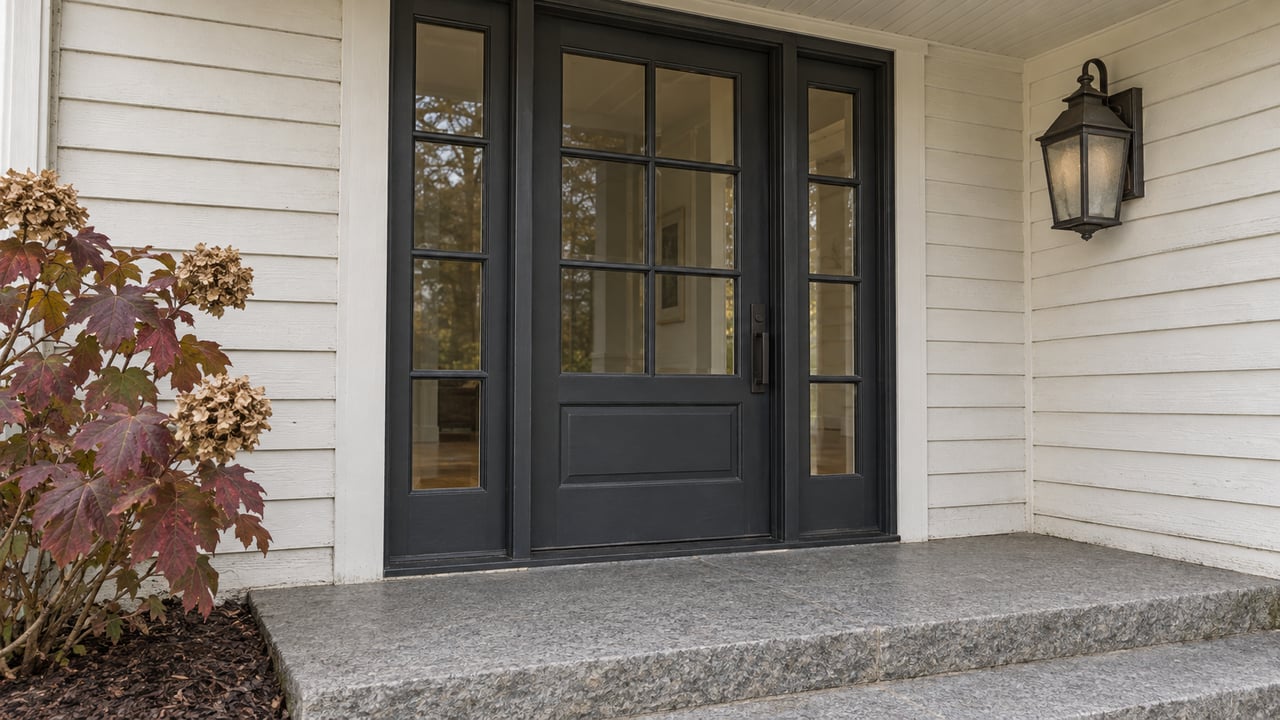
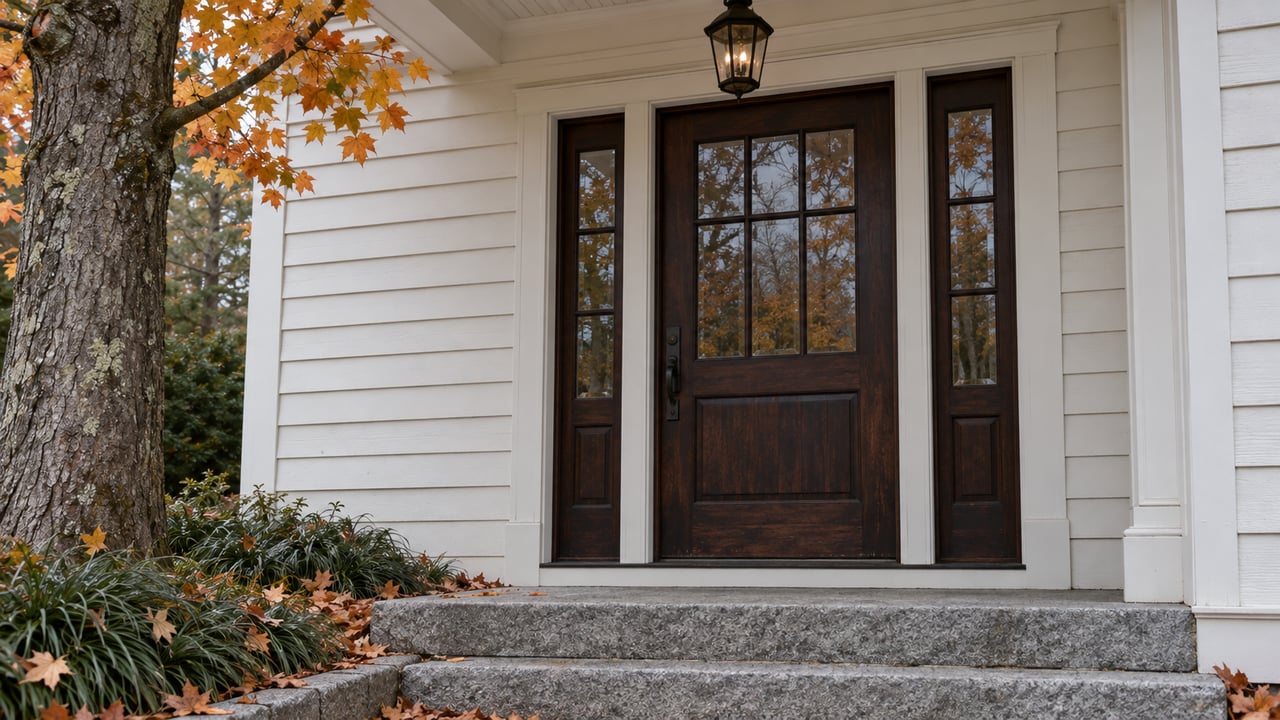
- Curb appeal tune-up: lawn and beds, power washing, fresh front door and updated hardware.
- Kitchen and bath refresh: lighting, hardware, counters, and grout touch-ups.
- Professional photos, a 3D tour, and a floor plan. These are standard for the 1.5 million plus market.
What not to over-improve
Large-scale kitchen rebuilds and high-end additions often recoup a smaller share of cost. Unless your direct comps support that ceiling, stick to cosmetic improvements and systems buyers expect to be in good working order. Confirm the projected value uplift with your agent before committing to big-ticket work.
Compass Concierge, explained
How the program works
Compass Concierge fronts the cost of eligible pre-listing services like staging, painting, flooring, landscaping, and more, with no payment due until a trigger event such as closing, listing termination, or 12 months, subject to program terms. In many markets Compass advertises zero due until close, but program details can vary by state, and loans for Concierge are provided by third-party partners and are subject to underwriting. Sellers repay at closing from sale proceeds. Review the details on the Compass Concierge page.
If you are selling in Massachusetts, ask for the local Concierge loan agreement and confirm whether any fees or interest apply, and how repayment will be handled at closing.
When Concierge fits
Concierge works best when modest, high-impact updates will raise demand and price capture, and when you prefer not to front the cash. Examples include staging, paint, lighting, minor kitchen and bath refreshes, and curb appeal. Avoid using Concierge for structural projects or extensive remodels unless nearby comps support the spend.
Questions to ask before you enroll
- Which services are covered, and who manages contractors day to day?
- What is the timeline from approval to completion, and are there schedule guarantees?
- What are the repayment triggers and deadlines?
- Who is the loan provider, and what are the exact terms and any fees for Massachusetts?
- Will the program require a lien or closing-side repayment disclosure to your attorney and title company?
Use the Compass Concierge overview to align on scope and repayment.
Why a team listing model matters
Who does what on your team
A strong team brings dedicated specialists to your sale:
- Listing agent or lead negotiator sets strategy, pricing, and handles offers.
- Listing coordinator or marketing manager prepares copy, coordinates photography, and manages campaigns. See a typical scope of work in this overview of a listing manager’s role.
- Transaction coordinator manages deadlines, disclosures, inspections, and closing logistics to reduce risk. Learn how a transaction coordinator keeps deals on track.
- Showing support and open house staff capture feedback to inform adjustments.
Benefits and tradeoffs
- Specialization helps the lead focus on pricing and negotiation while the team executes prep and marketing.
- Scale and vendor relationships speed up scheduling for stagers, photographers, and contractors.
- Tradeoffs can include clarity of accountability. Insist on a single point of contact and a written plan that names who attends key negotiations and who manages closing.
How to evaluate a team
- Ask for three recent Wellesley listings they listed and sold, not just listed.
- Review sample marketing materials, media quality, and vendor partners.
- Confirm the transaction coordinator’s role and how they track escrow deadlines.
- Request a written timeline with tasks, budgets, and owners for each step.
- Call referrals from past Wellesley sellers.
Your 6 to 12 month seller playbook
6 to 12 months out
- Interview two to three local teams using the checklist above. Ask for comps in your village and price tier using a 6 to 12 month rolling set to smooth out monthly swings.
- Scope pre-market improvements and get written bids. If cash flow is a concern, consider Compass Concierge and confirm local terms and repayment timing with your agent. Review the Concierge program details.
- Consider a pre-listing home inspection to surface issues early. Massachusetts has rules protecting buyer inspection rights and addressing waivers. Review the state guidance on residential home inspection waivers to understand current expectations.
3 months out
- Schedule contractors for prioritized cosmetic work. Focus on living room, kitchen, primary bedroom, and bathrooms since these rooms often influence buyers most. See NAR’s staging insights.
- Finalize your staging plan and book photography, video, floor plan, and 3D tour. Align on a coming soon strategy and launch date.
4 to 6 weeks out
- Finish painting, cleaning, and staging. Confirm that HVAC, water heater, and major appliances are in good working order to reduce inspection friction.
- Prepare disclosures. If your home was built before 1978, you must provide buyers with the federal lead-based paint disclosure and the EPA pamphlet per the HUD and EPA rule.
Launch week to closing
- Go live with professional visuals and a clear showing schedule. Monitor early traffic and feedback closely and be ready to adjust pricing if the market signals it.
- Under contract, your transaction coordinator will manage contingencies, inspections, appraisal timelines, and buyer communications to reduce fall-through risk. Learn how the transaction coordinator role supports deadlines.
- Plan for closing in roughly 30 to 60 days depending on buyer financing and title processing. Model your net in advance, including any Concierge repayment, prorated taxes, and standard seller costs. For property tax context, see the town’s Tax Rate and Levy history.
Ready to maximize your sale?
You do not need to overhaul your home to win in Wellesley. You need smart pricing, targeted updates, standout presentation, and a coordinated team that manages the details. If you want a turnkey plan from evaluation to closing, the Donahue Maley & Burns Team offers a white-glove process backed by Compass tools, vetted vendors, and senior-led negotiation.
Have questions about timing, pricing, or which improvements will move the needle for your home? Reach out to the Donahue Maley & Burns Team to schedule your complimentary home valuation.
FAQs
What is the current median home price in Wellesley?
- Public market indexes often show recent medians clustering between about 1.9 million and 2.25 million, but small monthly sales counts can cause swings, so use a 6 to 12 month view.
How should I set my list price in Wellesley?
- Use a CMA based on the last 6 to 12 months of nearby sales, compare to current competition, adjust for lot and condition, and let early market feedback guide fine-tuning.
Which pre-sale updates deliver the best ROI locally?
- Focus on staging, paint, lighting, curb appeal, and modest kitchen or bath refreshes; national Cost vs Value data supports small, targeted projects over major remodels.
How does Compass Concierge repayment work in Massachusetts?
- Concierge fronts eligible prep costs with repayment due at a trigger like closing, listing termination, or 12 months, subject to loan underwriting and local terms that you should review in writing.
Do I need to provide a lead-based paint disclosure?
- If your home was built before 1978, federal rules require a lead-based paint disclosure and EPA pamphlet to be provided to buyers during the sale process.
How long does closing take in Massachusetts?
- Many transactions close in about 30 to 60 days, depending on buyer financing, inspection timelines, appraisal, and title processing.