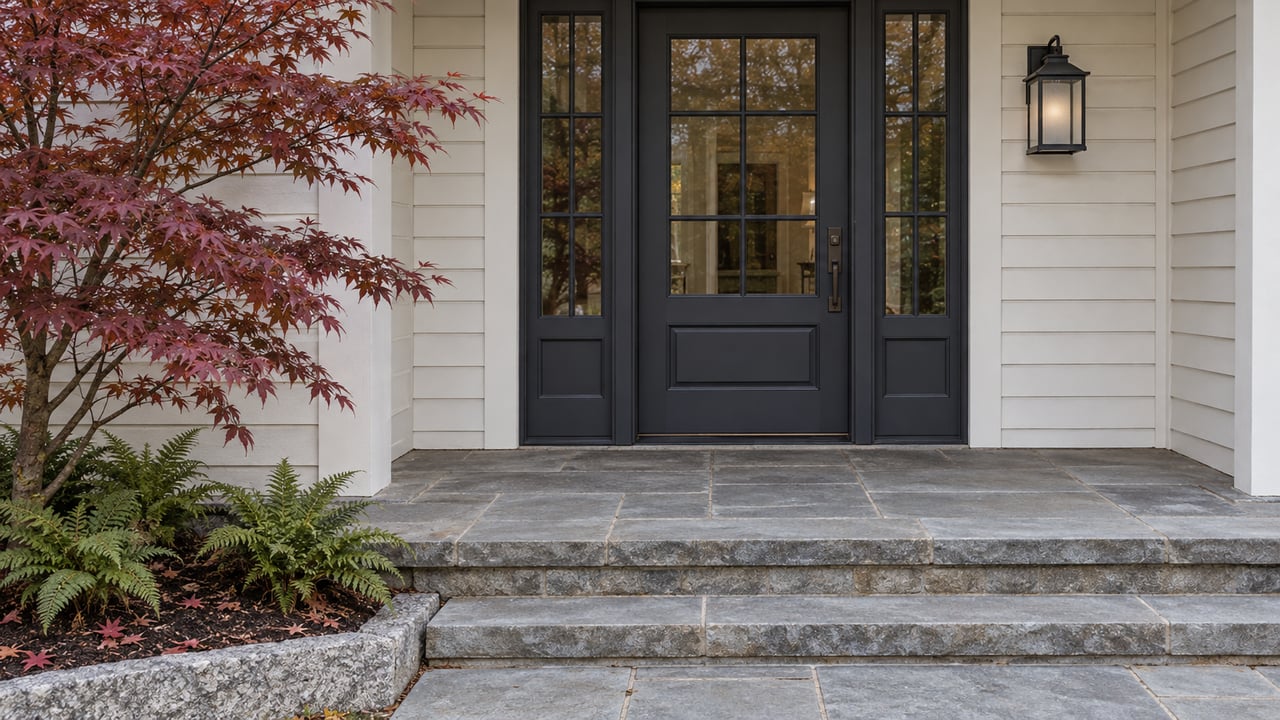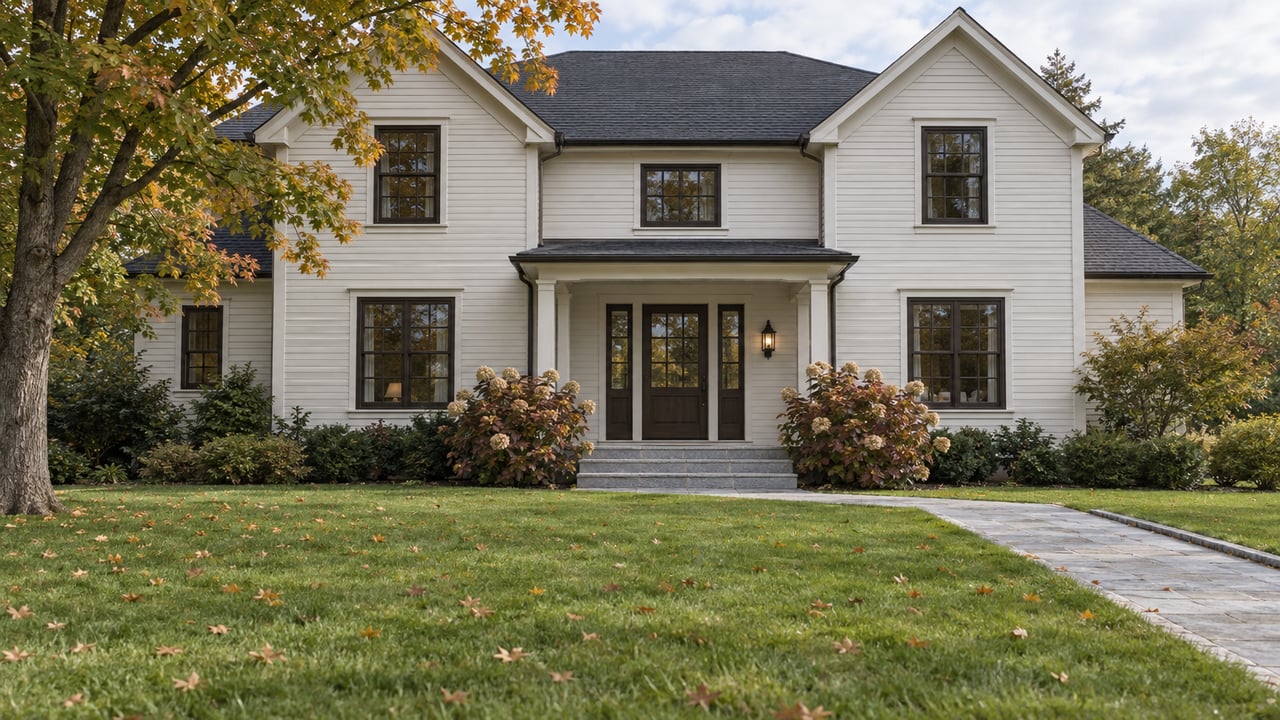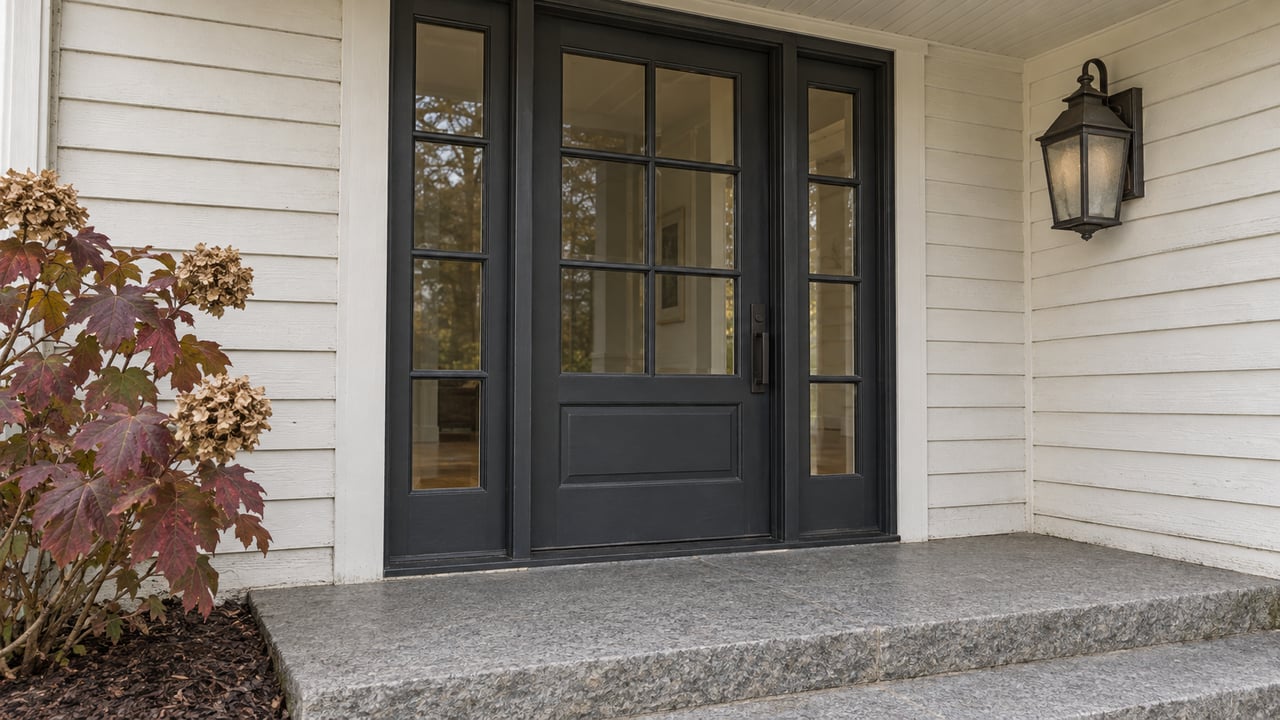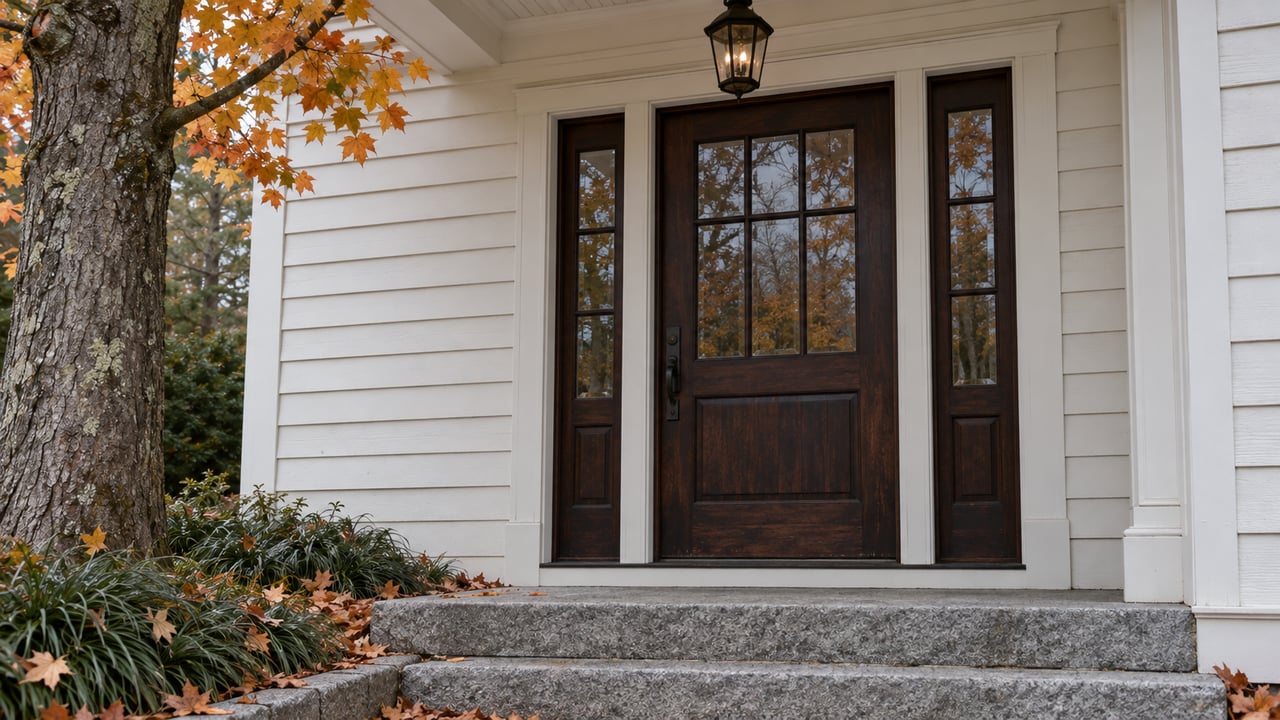
Drive down Boston Post Road past the white clapboard building with the deep-set windows, and it is easy to assume you already know what it is. Most Weston residents do. It is the old library, the one the town used before the current building opened, sitting there as a kind of civic artifact. What that assumption misses is that the building is not sitting at all. On a given Wednesday it might have a singer-songwriter from Boston setting up a microphone in the reading room while, two doors down, someone waits their turn at the laser cutter.
The building at 356 Boston Post Road has spent the last several years doing something most retired civic buildings never get to do: go back to work. The Weston Art and Innovation Center, known locally as the AIC, occupies the town's original 1899 library and runs it as a working makerspace, a concert venue, and a classroom, sometimes all in the same week. The interesting part is not that Weston saved an old building. It is what the town chose to do with it once saved.
Twenty Years Empty, Then a Town Meeting Vote
The building has a longer gap in its story than most people realize. Weston built a new public library and vacated the 1899 building in 1996. What followed was not renovation but two decades of near-total vacancy, the kind of stretch where a landmark quietly becomes background noise. It took a Select Board working group to reopen the question of what the building should be, weighing options for both the Old Library and the historic tavern next to it.
The answer the group settled on was not a museum and not another municipal office. It was a makerspace, an idea the working group adopted as its unanimous choice, and voters approved construction funding at a Special Town Meeting in November 2017. The building reopened as a branch of the Weston Public Library, which is how it is still classified today: a department of the library system, with a space manager running day-to-day operations and a five-member Advisory Board overseeing fundraising and programming decisions.
That governance structure matters because it explains why the AIC feels less like a rental hall and more like a public resource with a curriculum. It answers to the same institution that runs story hour and the summer reading program, just with a laser cutter in the basement instead of a returns bin.
The Reading Room Does Double Duty
The most striking detail about the AIC is what happens in its Reading Room, the same space that once held card catalogs and periodicals. It now functions as a small concert hall, and the acts booked there are not local hobbyists filling a slow Tuesday. The Reading Room Music Series has brought in touring singer-songwriter Ariel Strasser, who teaches songwriting at the Boston Conservatory at Berklee and serves as Vice President at ArtsBridge, and Washington, D.C.-based performer Lauren Calve, whose 2023 record drew national attention. Tickets run $25, available through the AIC's own site or at the door.
The series itself is a recent addition, coordinated by a performance committee that, according to town records, was still finalizing its standard performer contracts and booking process in the summer of 2024, with its first show scheduled for that October. In other words, this is not a legacy program the town has always had. It is something Weston built from scratch inside a building it almost let sit empty for good.
The room also rents out for private events, which means the same reading room that hosts ticketed concerts on some evenings might host a retirement party or a recital on others. It is a genuinely flexible civic asset, which is rarer than it sounds in a town this size.
What Open Maker Hours Actually Means
The other half of the building is the makerspace itself, split across two large rooms with equipment ranging from traditional printing presses to modern 3D printers. This is where the AIC distinguishes itself from a typical community arts program. You cannot simply walk in and start using the laser cutter. Access runs on a certification model:
- 3D printers, laser cutters, and Cricut machines each require a separate certification, earned by taking the corresponding class
- Sewing machines require completing Sewing Fundamentals before independent use
- Once certified, equipment access during Open Maker Hours is first come, first served, with users expected to bring their own materials
- Laser cutter appointments for certified patrons are booked directly with staff member Abby
- Open Maker Hours require no registration and no fee beyond materials, with drop-in access typically running from 1 to 8 p.m. on scheduled days
- The space is intended for users middle-school age and up, and children under 12 must be accompanied by an adult
That structure is worth understanding before you show up expecting a free-for-all. The certification requirement is not bureaucratic friction for its own sake. It is what allows a public building to keep expensive fabrication equipment available to residents without a staff member standing over every cut.
The Fall Calendar Is Where This Gets Practical
If you have been meaning to actually use the building rather than just admire it from the sidewalk, the fall calendar is the moment to do it. The town has previously run a weekend photography workshop through the AIC, a $60 session aimed at residents who own a DSLR or mirrorless camera and have never moved it off auto settings, and that kind of practical, single-session class is representative of what shows up on the calendar each fall. The center's course categories span from Certifications to Drop-ins, with past offerings covering watercolor, pottery, floral arts, fiber arts, and youth and teen programming. The current schedule is posted on the AIC's own site, and it is worth checking before you plan a visit since class availability shifts month to month.
There is also a lighter side to the place worth knowing about if you have not visited. The center runs a running advice feature called Dear Maker Abby, fielding real questions from patrons trying to solve small design problems, the kind of thing that only exists because a community actually uses a space rather than just funds it.
Current posted hours for the center run Wednesday and Thursday from 10 a.m. to 8 p.m., with Friday and Saturday from 10 a.m. to 4 p.m., though it is worth checking the AIC's own calendar before a visit since programming can shift room availability.
The Building Is the Point
The thing about a town like Weston is that it has no shortage of landmarks worth preserving. What is less common is a landmark that gets put back into daily use instead of roped off as a historical marker. The Old Library could easily have become a plaque and a parking lot. Instead it became a place where a resident can get certified on a laser cutter on a Thursday afternoon and sit in the same room Saturday night listening to a touring musician from three states away.
That is not a small distinction. It says something about how Weston tends to treat its civic inheritance, favoring use over display, participation over preservation for its own sake. The next time you pass 356 Boston Post Road, it might be worth pulling into the lot instead of just noting the building is still standing.
If you are a longtime Weston resident curious about what your own property is worth in a town that clearly still invests in its civic core, the team at Donahue | Maley | Burns is always glad to talk through it. Schedule your complimentary home valuation whenever the timing is right for you.