Thinking about trading a Boston or Cambridge address for more space in Wellesley? That move can bring a meaningful lifestyle change, especially if you want a different daily rhythm without losing access to the city. If you are weighing commute time, home styles, parking, and what day-to-day life really feels like, this guide will help you understand the shift. Let’s dive in.
Why Wellesley Feels Different
Wellesley is a lower-density town with about 31,242 residents across 10.02 square miles. By comparison, Boston and Cambridge are far denser, which shapes everything from housing patterns to errands and commuting.
That difference shows up clearly in homeownership too. Wellesley has an 84.4% owner-occupied housing rate, compared with 35.7% in Boston and 33.5% in Cambridge. In practical terms, you are moving from a more renter-heavy city environment to a town where ownership is much more common.
Household size also tends to be larger in Wellesley. The average household size is 2.76, compared with 2.19 in Boston and 2.05 in Cambridge. If you are relocating for more room to spread out, that broader pattern lines up with what many buyers expect to find.
Commuting From Wellesley to Boston
If you work in Boston or regularly head into the city, the commute can still be very workable. Wellesley has three commuter rail stations with daily MBTA service to Boston on the Framingham/Worcester Line.
That said, the routine usually feels more structured than it does in Boston or Cambridge. Instead of building your day around a subway-first pattern, you are more likely to plan around train schedules, station access, and parking.
The town also supports that commute with six all-day municipal lots. These include station lots at Wellesley Square, Wellesley Hills, and Wellesley Farms, and annual permits are available to the general public, with lower rates for Wellesley residents, students, and business employees.
First and last mile options
Wellesley also offers additional transit connections through Catch Connect micro-transit. According to the town’s public transportation guidance, those links connect riders to Woodland and Waban Green Line stations, Needham Heights Commuter Rail Station, and the Natick Community Center.
For many relocators, this means you still have multiple ways to move around the region. You just may rely more on a combination of rail, local transit connections, and driving than you did in the city.
Housing in Wellesley: More Space, Different Inventory
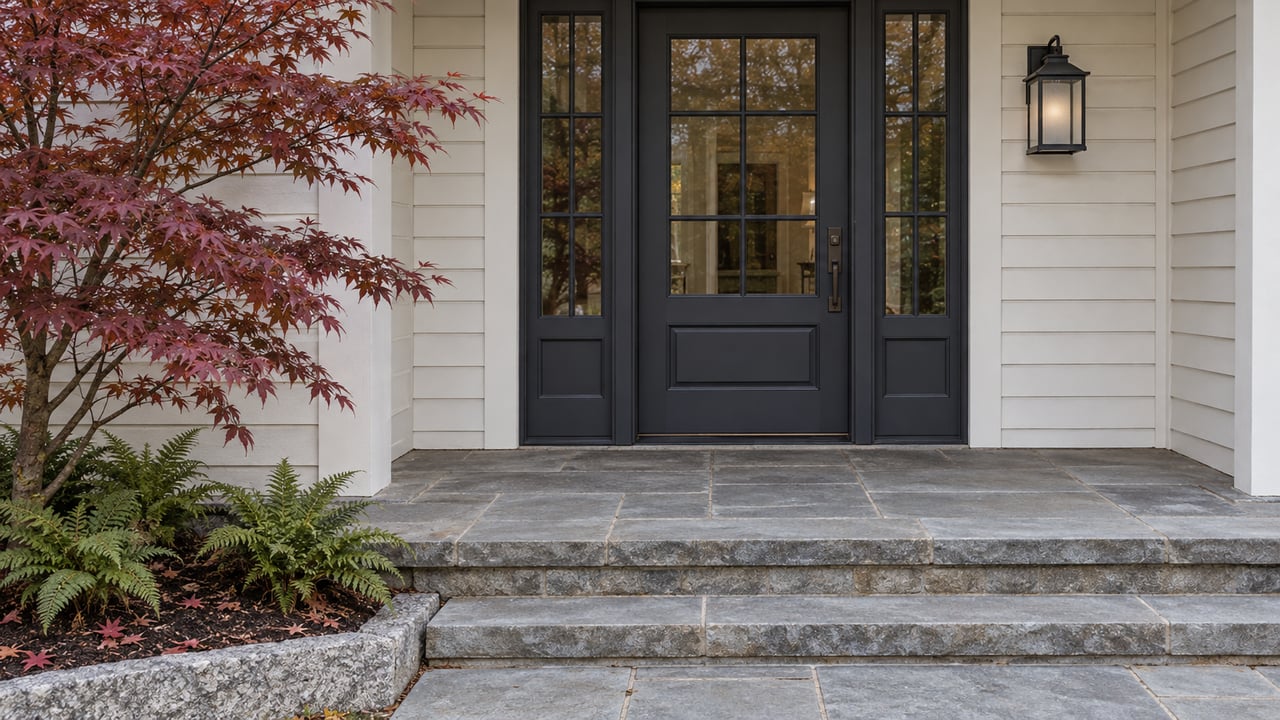
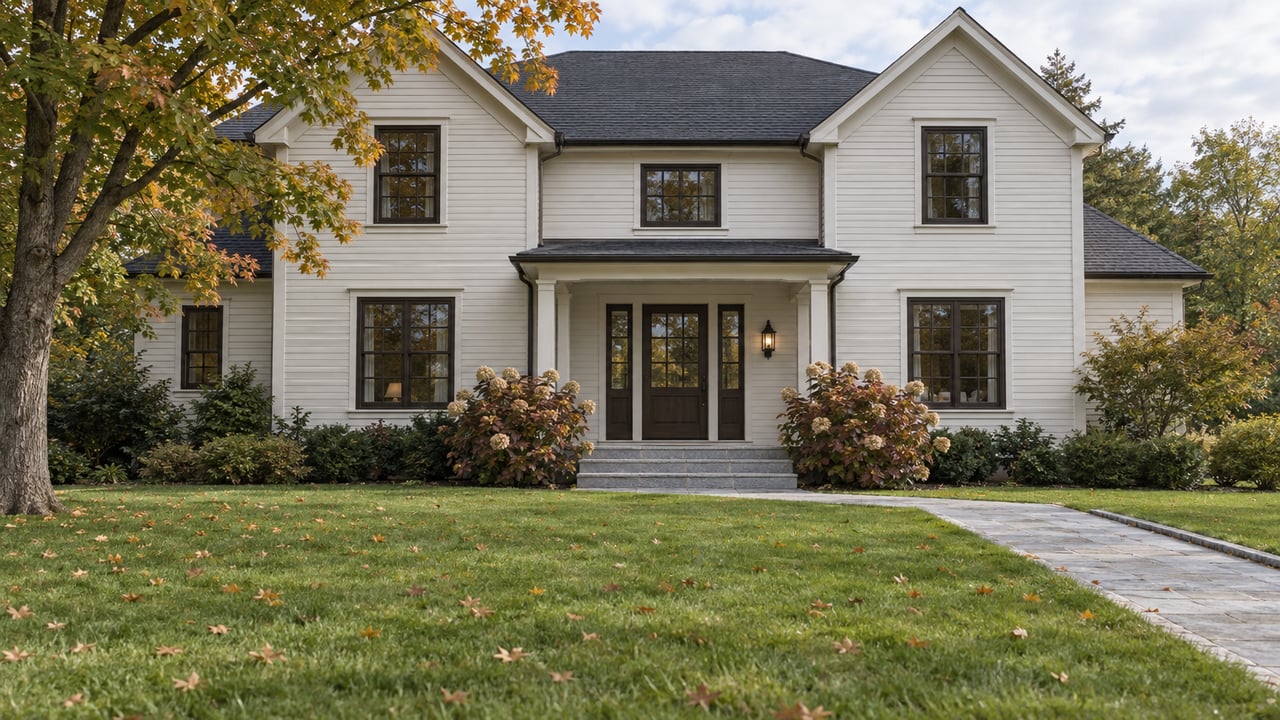
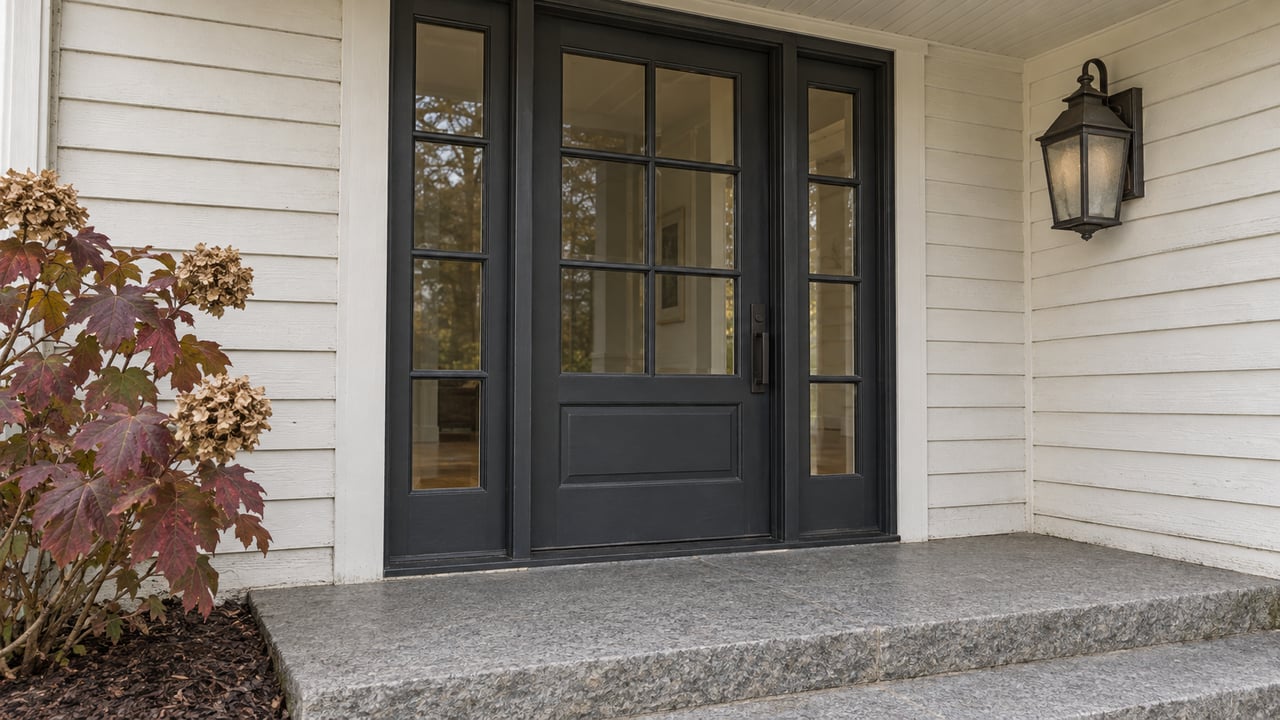
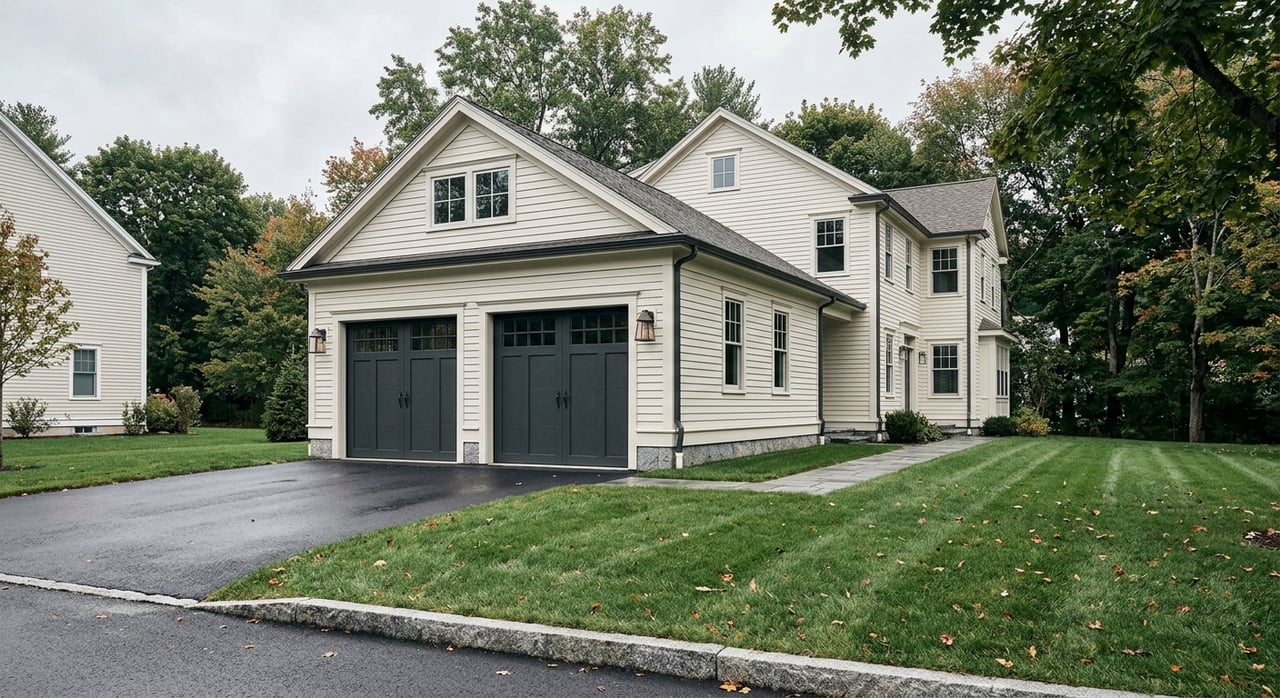
One of the biggest reasons people move from Boston or Cambridge to Wellesley is space. Wellesley’s housing stock is dominated by detached single-family homes, which creates a very different set of options than the apartment and condo mix common in the city.
The town’s 2025 Strategic Housing Plan says 82.0% of Wellesley’s dwelling units are detached single-family homes. It also reports 7,315 single-family parcels covering about 3,020 acres, with a median single-family lot size of 15,000 square feet.
That usually translates to more private outdoor space and a stronger emphasis on standalone homes. If you are coming from a condo, apartment, or attached home in Boston or Cambridge, the physical footprint of housing in Wellesley may feel like one of the most immediate changes.
What the housing stock tends to look like
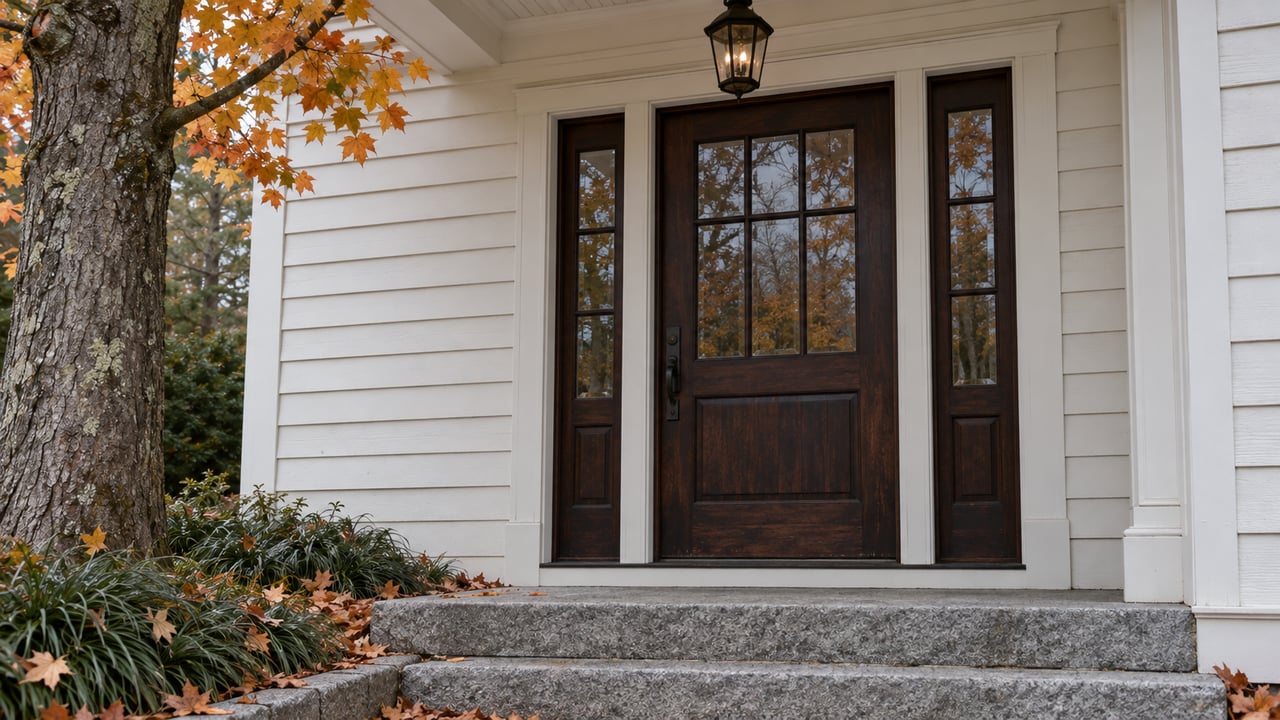
Wellesley’s single-family housing stock has a median year built of 1950. That means much of the inventory is part of an established residential fabric rather than a newly built subdivision pattern.
The same housing plan notes that much of the town’s newer housing has come through teardown and rebuild activity, not major greenfield expansion. Between 2003 and 2025, the single-family housing stock increased by only 95 homes even though more than 1,200 single-family homes were built during that period.
For you as a buyer, that often means the market skews toward larger single-family homes on established lots. It also means inventory can feel more curated and less interchangeable than what many buyers are used to in denser urban markets.
Zoning and accessory dwelling units
Over 70% of Wellesley is zoned Single Residence, where the only residential uses by right are single-family dwellings and accessory dwelling units. The town states that accessory dwelling units may be located inside, attached to, or detached from the main home.
If flexibility matters to you, that is a useful point to understand early. It gives you a clearer picture of the types of homes and property configurations you are most likely to encounter.
Parking and Errands in Wellesley
If you are used to circling for street parking in Boston or Cambridge, Wellesley may feel more manageable. Parking is not unlimited, but it is planned and regulated around commuter and village needs.
The town says metered on-street parking is available in Wellesley Square, Wellesley Hills, and Wellesley Farms and Lower Falls. Off-street municipal lots also offer 2-hour, 4-hour, 10-hour, and all-day parking options.
This tends to make everyday errands feel more straightforward, especially compared with denser city centers. At the same time, village centers and station areas still operate with clear rules, so it helps to know how each area is set up.
Where daily errands happen
Wellesley’s main commercial villages include Wellesley Square, Wellesley Hills, the Fells area, and Linden Square. These nodes shape the town’s day-to-day rhythm in a way that is different from a city neighborhood where retail may be spread block by block.
For many new residents, errands become a little more destination-based. You are often heading to a village center rather than simply walking downstairs or around the corner to meet every need.
The Daily Rhythm of Life in Wellesley
Beyond housing and commuting, the bigger change is often pace. Wellesley generally feels more settled and calendar-driven than Boston or Cambridge.
The town uses representative Town Meeting, with 240 voting members elected by precincts. Local institutions and civic life play a visible role, and the town highlights schools, Wellesley College, Babson College, public art, the Boston Marathon invitation program, and civic initiatives including Civil Discourse and DEI.
That civic structure often creates a stronger sense of town-based routine. In day-to-day life, schedules tied to commuting, village shopping, and local events may matter more than the walk-to-everything spontaneity many people associate with city living.
A more settled residential pattern
Wellesley’s housing profile shows that 87.4% of residents lived in the same house one year ago. That compares with 80.3% in Boston and 74.5% in Cambridge.
This does not mean the town is static. It does suggest a more established residential pattern, which many buyers notice when comparing it with neighborhoods that turn over more quickly in the city.
What Boston and Cambridge Buyers Should Expect
If you are relocating to Wellesley, it helps to think of the move as both a housing decision and a lifestyle decision. You are not just changing addresses. You are changing how you move through your day.
Here is what many buyers should expect:
- A more structured commute centered on commuter rail schedules, station access, and parking
- More single-family inventory and generally more private outdoor space
- A lower-density setting with village-based shopping and services
- A more owner-occupied environment than Boston or Cambridge
- A steadier residential rhythm shaped by town systems, institutions, and long-term homeownership
For many households, those trade-offs are exactly the point. You may give up some of the immediacy of city living, but gain space, a different pace, and a housing stock that looks very different from what you may have considered in Boston or Cambridge.
A successful move usually comes down to matching your priorities with the right part of town, the right commute plan, and the right type of property. That is where local guidance can make the process feel much more clear and efficient.
If you are considering a move to Wellesley from Boston or Cambridge, the Donahue Maley & Burns Team can help you evaluate neighborhoods, commute patterns, and single-family home opportunities with clear, local guidance.
FAQs
Is commuting from Wellesley to Boston realistic for daily work?
- Yes. Wellesley has three commuter rail stations with daily MBTA service to Boston, but your routine will usually be more schedule-based and parking-aware than in Boston or Cambridge.
Do homes in Wellesley usually offer more space than homes in Boston or Cambridge?
- Often yes. Wellesley’s housing stock is dominated by detached single-family homes, and the town reports a median single-family lot size of 15,000 square feet.
Is parking easier in Wellesley than in Boston or Cambridge?
- Generally yes. Wellesley provides metered on-street parking and municipal lots, including commuter parking, though village centers and station areas are still regulated.
What types of homes are most common in Wellesley?
- Detached single-family homes are the dominant housing type in Wellesley, making up 82.0% of the town’s dwelling units according to the 2025 Strategic Housing Plan.
Does Wellesley feel less urban than Boston or Cambridge?
- Usually yes. Wellesley is lower density, more owner-occupied, and organized around village centers, commuter rail access, and town-based civic life.